Buridaikon ぶり大根
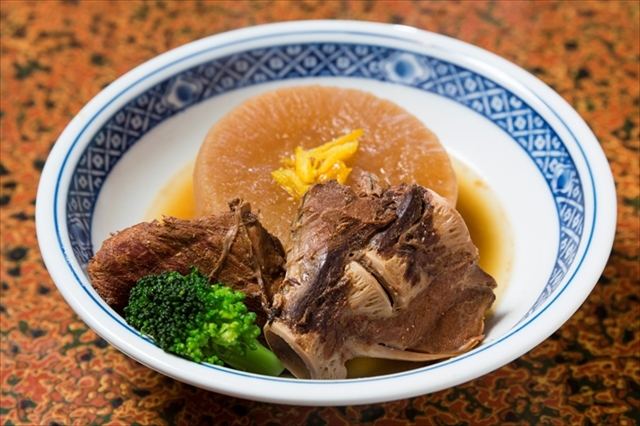
| Prefecture | Toyama (富山県) |
|---|---|
| Region | Chubu |
| Japanese name | ぶり大根(ぶりだいこん) |
| Reading | Buridaikon |
| Home area | All within the province. |
| Main ingredients | Bry, Decon. |
History and Origins
From late fall through the first winter, it is said that the season is at its peak when, on the other hand, the fishing in Fujiyama Bay is at its peak. The ice cream that is caught during this period is particularly faty, and it is tight, and the ones caught in ice fairs where fish are high are also brandished as "screw-cold." Bry is a fish that hardly leaves any part of it alive and has been made into many dishes. The "Brygata" that used it is the representative of the hot burrito dish that boils down to the root. In parts of the sea, such as the Ice Fair, it is customary to give a burri from his wife's home to the bride's home during her wedding year, and the person who received it has left with the custom of giving her half of her body back to her parents. In addition to such a celebration and other gods, Brie is indispensable to the gods, and each time, it has also been made with "Brynga root."
When It Is Eaten
The winters of Bri are usually made in homes and restaurants. While it's a common family dish, the burrito that changes names and values as it grows up is one of the best - lucked ones, such as the New Year's and the like.
How It Is Eaten
When you wash the burrito, it'll boil into boiling water and take the blood and the stain. The dicon is cut into thick strips. I'll put Bligh in the pan, I'll put dicon in the pot, I'll boil it. When you're cooked, I'll take the pepper. Once the dichondria are soft, the flavors such as sesame oil and sugar will boil until the flavor is dry. I put it there overnight for a taste that's even more flavored and smooth. Depending on the home, it may be a taste-based flavor rather than a sequester base.
Recipe — Serves 4
Ingredients
- 8 slices yellowtail
- 1 daikon radish
- 6 cups water
- 1 cups sake
- 1/2 cups mirin
- 1/2 cups soy sauce
Method
- I'll cut the dichon in half and boil it until it's soft.
- Bri can gently pass into the hot water. I'll get into the water right away. I'll have to do it without having to do it.
- Put water and flavor in the pot, Bligh and Dycon and cook it. I'll remove it in a floating bowl.
- When it's cooked, put it down for a while and cook it again. That will give the flavor a good stain. Even if you boil in a pressure pot, you can make it faster and more delicious. If you use rice yuzu to boil the dicon, it will be easier to remove the tear.
More About Buridaikon
The main root is Japanese native dish, which is boiled in soy sauce along with the baobu. The winter meal, the season when the fat comes on the burri. In 2007, in the rural villages national food race, it was chosen as a native food of Toyama Prefecture. Today it is a well-known dish eaten throughout Japan.
Example of how to make
Take the bri scales, boil the hot water, cool the water and remove the blood. The radish is cut and peeled, and the rice lye is boiled for about an hour. Put the bludgeon and radish in the pot, and cook it until the main roots have a good amount of soy sauce and sugar.
There are other variations in the process, such as those that don't use the root underside, that heat them in microwave ovens and replace them with low-heated ones, or those that wave salt on the brine to remove odors or those that cool with boiling water. Also, in the Toyama Prefecture Ice Fair, some dishes are boiled in a tastey sauce instead of a sesame oil.
Reference Image
Text adapted and translated from the Japanese Wikipedia article ぶり大根 by its contributors, licensed CC BY-SA 4.0.
Dish data: Ministry of Agriculture, Forestry and Fisheries (MAFF), “Uchi no Kyodo Ryori” (Our Regional Cuisines) database, used under the Public Data License (PDL1.0); translated and adapted from the Japanese original.