Hamonabe ハモ鍋
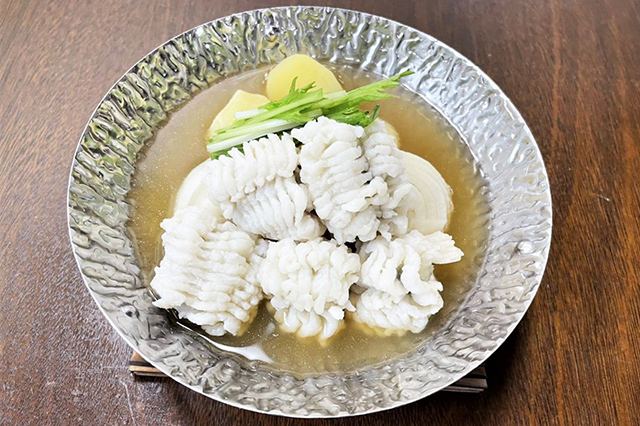
| Prefecture | Osaka (大阪府) |
|---|---|
| Region | Kinki |
| Japanese name | ハモ鍋(はもなべ) |
| Reading | Hamonabe |
| Home area | Fountain Province |
| Main ingredients | I've got potatoes, onions, potatoes. |
History and Origins
Hamo lives in the Bay of Osaka, and by the middle of the world, it was passed through with Osaka. Osaka and Kyoto are essential ingredients for summer festivals, known as fish in the summer season, but so is the autumn ham that has fat. It's a thick little bone, so you can't eat it without a "bone cut" that leaves the skin and cuts into your body. In the spring states that face Osaka Bay and are blessed with sea life, the hamo has been eaten by an old and familiar food, as well as the hamo pot. It's from Hara Province that we use the head and bones of the hamo to extract the juice and put onions and potatoes in the material. It's a dish that is considered to be "The Land of the Giants of Japan." The sweets of the Haka-dong onions spread over the pot and they fit well with the white ham.
When It Is Eaten
Hamo's egg was in June before the egg was born, or in November after the egg was finished.
How It Is Eaten
Using the citrus and hamo bones and heads, you can add juice to the juices such as wine, lentils, and so on. I'll put on onions, potatoes and whatever equipment I have. I like materials, but onions are essential. When the vegetables are cooked, I cut them into bone and put them in a pot. When the material is on fire, it's done.
Recipe — Serves 4
Ingredients
- 1 pike conger
- 2 onion
- 1 potato
- 3 cups dashi stock
- 6 tbsp soy sauce
- 4 tbsp mirin
- 4 tbsp sake
Method
- The hamo cuts bone into three centimeters wide.
- The onions are cut in half and cut into six-millimeter width. The potatoes are cut in half and cut into about one centimeter wide.
- It's in a pot, in a pot, in a pot, in a pot, in a pot, in a pot, in a pot, in a pot, in a pot, in a pot, in a pot, in a pot, in a pot, in a pot, in a pot, in a pot, in a bowl, in a bowl, in a bowl, in a bowl, in a bowl, in a bowl, in a bowl of potatoes, in a bowl of potatoes, in a bowl, in a bowl of honey, in a bowl of water. You may scatter the honey on top of it for your liking.
Dish data: Ministry of Agriculture, Forestry and Fisheries (MAFF), “Uchi no Kyodo Ryori” (Our Regional Cuisines) database, used under the Public Data License (PDL1.0); translated and adapted from the Japanese original.