29 13 あさづけ
| Prefecture | Akita |
|---|---|
| Region | Tohoku |
| Japanese name | あさづけ |
| Home area | Throughout the prefecture |
| Main ingredients | It's a very simple process. |
| Recipe yields | Serves 10 |
History and Origins
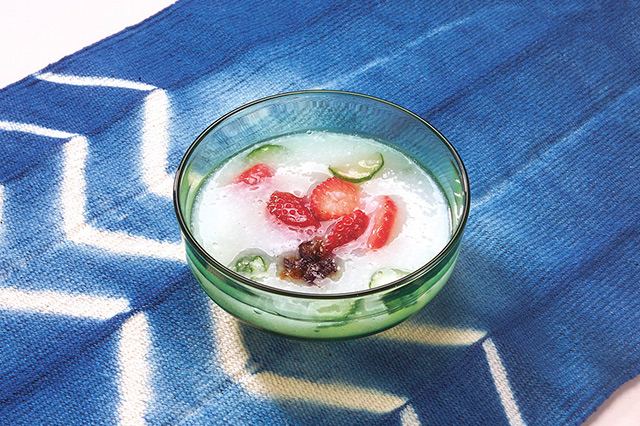
The "snap" is a dish of rice boiled and vegetables and fruits seasoned with sugar and vinegar. It's completely different from the common "stuff" and is identified like a sour dessert using rice. In summer this cool vinegar is eaten in all parts of Akita Prefecture. There are different ways to call crushed rice, which comes from the process of making rice, which is called a "knit" in Akita, and from the fact that it has been boiled and made, and from the fact that it has been made, to taste it with vinegar, and so forth. In Akita, the second rice has always used rice as well as rice floors, but this charm has been identified as one of them. And in Akita, once a woman's job was used to planting rice, so the sweet and sour flavors that she ate after her work were so delicate that she couldn't get over it, and couldn't get over it and heal her tired body. This dish, which made good use of rice that can't be served on the market, is truly a traditional dish of farmer's wisdom. The materials used in the area are varied and are known to each household for their seasonal diet, such as tins, pineapples, cans, and so forth.
When It Is Eaten
It has been used as a food for celebration, celebration, and celebration, but it is also popular for tea arrangements for visitors and for cooking food for women in their gatherings. It's his regular order, and it's added to the table and eats chopsticks for rest.
How It Is Eaten
Washing rice after more than three hours in the water, draining it, adding water to a blender, and moving it to a milling pot until some rice grain remains. Add water and sugar and salt and stir them in the middle. When the pan is usually boiling and clear, we turn off the fire and add a little vinegar to it, and get a rough heat. When it's cold, we can use tools such as coats, brooms, and so on and on and make seasonal fruits and cans. Many homes are now made with fresh pollen to make things easier.
Recipe (Serves 10)
Ingredients
- 150 g(1 × 180 ml) regular rice
- 250 g sugar
- a pinch salt
- 1,200 ml water
- 80 ml vinegar
- 1 cucumber
- a pinch seasonal fruit
Method
- Wash rice and soak it in water for more than three hours.
- I'll cut the cucumber with salt or thin. The turnip peels the skin and boils it all together and cuts it into thin slices.
- I'll wash the fruit and clean it. I'll cut the big ones to the right size.
- I'll put water-cut rice in the mill and grind it until the grain is left a little. If you're using a blender, add 400 cc of water to crush it.
- Put them in a pot, put 1,200 cc of water in the pot, and, in a blender, add the remaining 800 ccs of water, and cook them in a medium fire. Add sugar and salt, and stir slowly with a pot.
- When the surroundings boil and boil, and it goes through, we turn off the fire, add a little vinegar, and take a little heat.
- When it's cold, you can mix cabs, slats, and pans, and then colorfully cover the fruits and cans of the season.
Source: MAFF “Uchi no Kyodo Ryori” (Our Regional Dishes) database.