Home / Shizuoka / Kinzanjimiso
Kinzanjimiso 金山寺味噌
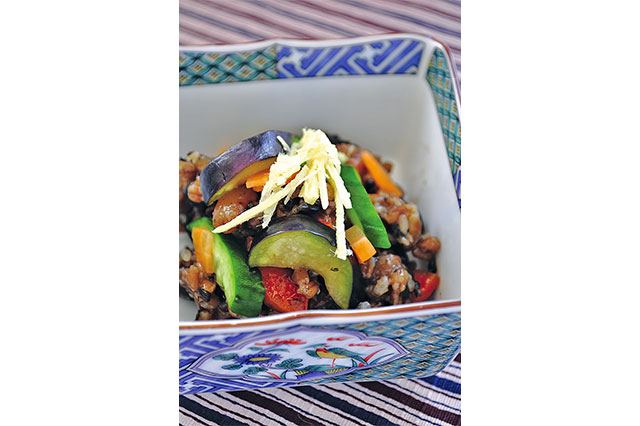
| Prefecture | Shizuoka |
|---|---|
| Region | Chubu |
| Japanese name | 金山寺味噌(きんざんじみそ) |
| Reading | Kinzanjimiso |
| Home area | Across the prefecture |
| Recipe yields | Serves 20 |
History and Origins
The Golden Tzu is a kind of "silica" that is made from grain fermented grain, which contains cereals, winters, berries, raw fruits, and raw fruits, not flavors, but vegetables and wines. It was originally a storage food for summer vegetables in temples for winter. There is a theory that the monk who came back from Kamakura during the time of the Maki period and the pleasant feeling that he passed on to Wakayama Prefecture begins to taste the flavor, but there is also the theory that the founder of the Shinaji, the open sea, brought it back from Tang. Kanyama's Kasaka is made in many places in the western, central, eastern and Izu districts of the province. In the past, I made home-made metal temple dishes, but now many families buy what the tasters made. XShizuoka Prefecture as well as XWakayama Prefecture, Chiba Prefecture, Aichi Prefecture.
When It Is Eaten
Not the taste of the seasoning seasoning, but, in addition, they eat raw vegetables on tofu, on tofu, on wine and on fresh rice. They are eaten every season because they can be bought at supermarkets and taste shops.
How It Is Eaten
Using a vegetable made of wheat and soybeans, we soak in summer vegetables such as corn, winter, rice, and fruits.
Recipe (Serves 20)
Ingredients
- 2 kg koji (koji)
- 500 g coarse sugar
- 8 eggplant
- 1 burdock root
- 3 carrot
- 50 g ginger
- shiso buds, to taste
- 120–150 g salt
Method
- The winter cucumber peels, seed, and slice except the wata. Cut the bladder into a thousand pieces and wash it twice with small amounts of water and bring out a pot.
- Each of these salts is packed together and packed overnight in a container.
- And the fruits are thoroughly washed, thoroughly washed, and thoroughly salted.
- Keep nattos and a good match between them.
- You can break down the vegetable water and add it to 4.
Source: MAFF “Uchi no Kyodo Ryori” (Our Regional Dishes) database.