Koinoarai 鯉のあらい
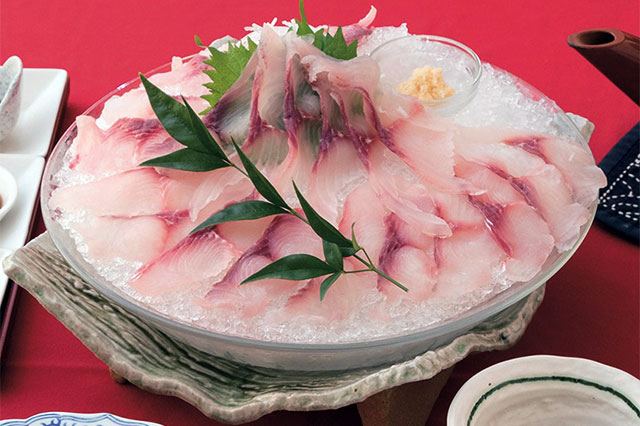
| Prefecture | Fukushima |
|---|---|
| Region | Tohoku |
| Japanese name | 鯉のあらい(こいのあらい) |
| Reading | Koinoarai |
| Home area | County Mountain City |
| Main ingredients | all |
| Recipe yields | Serves 4 |
History and Origins
It was during the Meiji period that the drought began in County Mountain. It's been reported that since the Edo and low rainfall were responsible for the water supply, they started to build a pool in the city, but when it was restored, it was completed, and they took advantage of the unusable ponds to grow koi. It is characterized by the growing and smellless growth of Lake Koji, in the rich mineral abundance of Lake Miyako. The fat is also good, so it's used in a variety of dishes, such as sweets. "The Snack of the Snack" is one of the typical dish of Fukushima Prefecture. It's because of the delicate mountain of County Mountain that we can eat without heating and smell.
When It Is Eaten
In the days of Shoichi, the Chinese dish, including the rose, was known as Hale's Day. It's said that it was served as a wedding feast, a New Year's celebration, and a guest's dinner. It's now been eaten all year, but it's becoming more frequent in winter especially.
How It Is Eaten
Since a carp has a lot of small bones and is difficult to skim, it is common to buy them in fresh fish stores and other items. I'll put it on the mustard juice and eat it.
Recipe (Serves 4)
Ingredients
- 1(60) carp
- soy sauce, to taste
- miso, to taste
- ponzu, to taste
Method
- Put down three bowls and skin them. I'll make it thin. It's twice as thick as a sashimi.
- The temperature is lower by 42 degrees.
- It's ice water. It's a good way to clean yourself up.
- I'll put it on the sour sauce and eat it. In young rice, it's delicious to boil it to water with soy sauce or with soy sauce. It's delicious to eat with poppy wine.
Source: MAFF “Uchi no Kyodo Ryori” (Our Regional Dishes) database.