Mikanmochi みかん餅
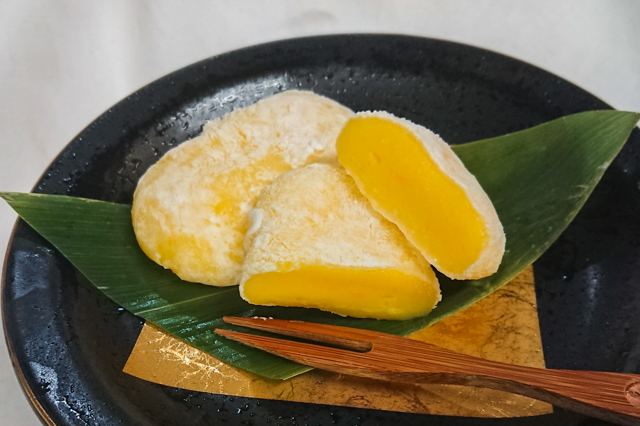
| Prefecture | Wakayama (和歌山県) |
|---|---|
| Region | Kinki |
| Japanese name | みかん餅(みかんもち) |
| Reading | Mikanmochi |
| Home area | Tadashi City |
| Main ingredients | rice, orange, sugar. |
History and Origins
Wakayama Prefecture is a major crop in the country. In particular, the country of Narita, which is the home of Takada's Tokyo, is a mountain field called the Mountain. It is said that in the year 1574, the Ito Sunguard of Tohoku Itahara, Japan, brought back and planted the oak plants from his youth. Takeda City, where mountains and seas are approaching and there are few flat ground available for rice growing, is suitable for growing warm climate and soil. That is why they promoted and thrived growing candelabra in the state of Kagoshima. Later, Ito Sun Tzu's right-hand can tree was brought back and it was believed that the present - day source of the Yuka Kanda can was born. In addition, in 1634, for the first time in a ship to carry the Edo in the Edo, the Kota was also well known in Edo. When the seas were rough and the ships could not be released on a continuing day in November 1685, there were stories of a large Edo that saw the prices of cane cans rise. "Kinashi" is a sweet, springing from a study of cooking and manners, and it is made from a can of a state-of-the-art can, which is made from a can on rice, which is a state-of-the-art dish, and then it was put together with rice. The color and smell are good, and you can enjoy the soft, sour taste.
When It Is Eaten
By May or May, cans trees will blossom white flowers all over the terraces, and the whole town will have a nice smell. In autumn, yellow berries color the mountains. Since about October, early in the year, early in the morning and late in December.
How It Is Eaten
It's soft when eaten as it is, but when it's fried, it's plying around the surface, and then the inside becomes a trotoro, and the food feels even more delicious.
Recipe — Serves 20
Ingredients
- 1.4 kg glutinous rice
- 5–6 みかん
- a pinch lemon
- 80 g sugar
Method
- We wash the rice in front of us and dip it in the water overnight.
- I'll put the rice in a steamer, cut off from the water, and soak it with a well-washed can for an hour.
- You can put rice in a steamer and peel it and sugar in it. It's good.
- Add lemon juice to the sauce you've dated and round it to the right size.
Dish data: Ministry of Agriculture, Forestry and Fisheries (MAFF), “Uchi no Kyodo Ryori” (Our Regional Cuisines) database, used under the Public Data License (PDL1.0); translated and adapted from the Japanese original.