Myōganohayaki みょうがの葉焼き
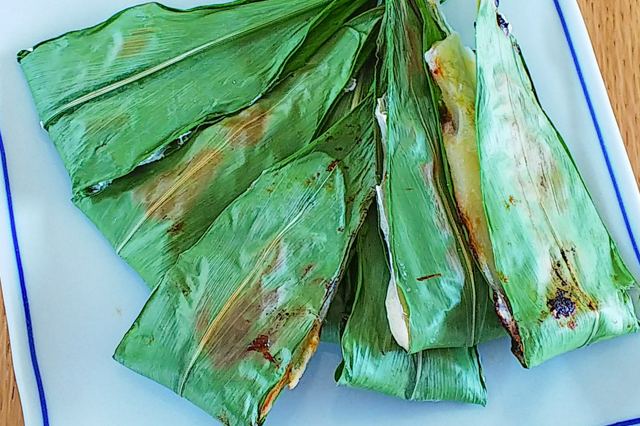
| Prefecture | Miyagi (宮城県) |
|---|---|
| Region | Tohoku |
| Japanese name | みょうがの葉焼き(みょうがのはやき) |
| Reading | Myōganohayaki |
| Home area | Miyagi Prefecture North |
| Main ingredients | And I'm going to show you how to do that. |
History and Origins
I'm a member of the Yakuza tribe, which grows from Honshu to Okinawa. Both flowers and stems are known for their age as flavored vegetables, but only Japan is said to grow for its food. The use varies, such as dandelion and condensation near you, and so on, and so forth. In Miyagi Prefecture, when the leaves grow larger, the leaves that were eaten as children's food during the farm break were "The Ichiki." We wrap flour, rice, sugar, flavored food in the leaves of the plant and cook it, strip it and eat it when we eat. The smell of leaves on the leaves will change, and it will be a delicious dish. There is also the custom of eating rice on the 13th of August, when you greet your ancestors at the fire. The aroma of the leaves of the walnuts was refreshing and simple, and they were often eaten as snacks when there were not much sweets.
When It Is Eaten
It's summer when the leaves of the walrus grow. During the farm work, they were eaten as snacks. Also, there is the custom of eating the rice on August 13th, offering it to the Buddhist altar, and when you greet your ancestors at the fire, there will be some custom.
How It Is Eaten
We mix flour, rice and sugar and taste buds and then wrap them in the leaves of the peppers. When eating, remove the leaves from the throat and eat them.
Recipe
Ingredients
- 2 cups wheat flour
- 2 tbsp sugar
- 2 tbsp miso
- 1 cups water
- 12 myoga leaves
Method
- Put flour and sugar in the bowl and mix well. Add water and taste buds and mix them even better, making them hard enough to wrap in the leaves.
- We'll spread the leaves of the walrus and then place one on top of it as the size of a plump, double it, and burn both sides in a well-deprived pan with a little oil.
- I used to put them up on the money and burn them in the fire behind the fire.
Dish data: Ministry of Agriculture, Forestry and Fisheries (MAFF), “Uchi no Kyodo Ryori” (Our Regional Cuisines) database, used under the Public Data License (PDL1.0); translated and adapted from the Japanese original.