Odamaki-mushi 小田巻き蒸し
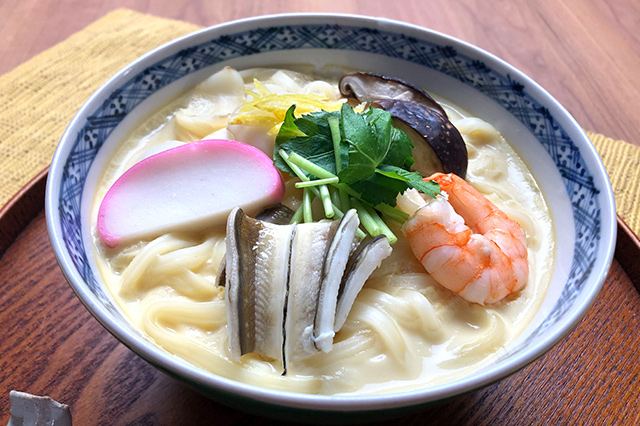
| Prefecture | Osaka |
|---|---|
| Region | Kinki |
| Japanese name | 小田巻き蒸し(おだまきむし) |
| Reading | Odamakimushi |
| Home area | Osaka City |
| Main ingredients | Udon noodles, dashi stock, egg, prawn |
| Recipe yields | Serves 2 |
History and Origins
It's a large cup of tea with citrus in it. It's a local dish from the birth of Osaka. "The spinning of the woven silk" is called "the silk of the silkwork." And they say this name came with because it looks like the thread of the spin. The character of Koda's book is a index. In the past, when eggs were expensive, the frequent use of eggs, the dandelion of the eggs, and other merchants at the docks, were known as Hale's Day meal. The color of the materials, such as sea cucumbers and other materials, is gorgeous and fitting for a good seat. You can hold your stomach because it has soy sauce.
When It Is Eaten
It's said to be an essential celebration for the wedding feast, and to be honored by visitors for the New Year's greetings.
How It Is Eaten
Put it in a steamy sponge, put it in a rag, cover it, and then steam it.
Recipe (Serves 2)
Ingredients
- 2/3 heads udon noodles
- 360 ml dashi stock
- Dashi: 700 ml water
- Dashi: 5×6cm kelp (konbu)
- Dashi: 40 g laundry
- Dashi: 6 g sugar
- Dashi: a pinch salt
- Dashi: 1 tbsp 1/2 light soy sauce
- Dashi: 1/2 tsp mirin
- Dashi: 1/2 tsp sake
- 1 egg
- Mix: 2 sea Old
- Mix: 2 fresh shiitake mushrooms
- Mix: 2 slices powder
- Mix: 2 slices kamaboko (fish cake)
- Mix: mitsuba, to taste
- Mix: yuzu, to taste
Method
- Put water and cloth in the pan and fire in 40 minutes. When it is boiling, put in the jiffy, two-thirds of boiling, and put in sugar, salt, garlic, and wine, and taste it with a thin lip oil and cool.
- The sea ebony peels off the skin, peels off the backwoods, and washs them in salt. The lily is divided into cells and the vertebrae is cut into half.
- When you cut the rice in boiling water, it will sink into the bowl, color the ingredients well, and wrap the three eggs in a peeled egg, and make the lid light with an aluminum foil.
- When you remove aluminum, add vegetable chopsticks, and get a transparent sauce, you can make three leaves and abalone.
Source: MAFF “Uchi no Kyodo Ryori” (Our Regional Dishes) database.