Tokoroten ところてん
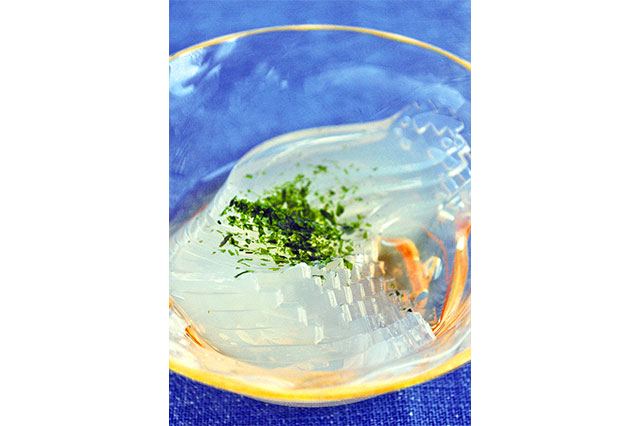
| Prefecture | Shizuoka |
|---|---|
| Region | Chubu |
| Japanese name | ところてん |
| Reading | Tokoroten |
| Home area | (Singing) Izu Ito |
| Main ingredients | It's a vegetable. It's vinegar. |
| Recipe yields | Serves 12 |
History and Origins
The Izu Peninsula is, in fact, the best source of natural plants in Japan. For some 1,600 years, there has been a field fishing operation and has been used as raw materials and fertilizers. Heavenly plants are the Tengusa-Sa, and mainly they are used as masa and oussa. While Macsa is mainly harvested from the West Izu and is soft and sticky, it is said that the Obussa is often taken from the Izus and is thick and hard and firm. In Izu it has always been a delicious soul food for children, since they had been eating a long, thin piece of rice that had been boiled and hardened from the grass in the family by a pusher and then even sold as a snack. On the Yagigi Coast of the Mezu Manuzu City, in the spring and early summers, the trees are harvested and sun - dried, and you can see the sight of a red carpet spread over the beach. It's called "The Izu"
When It Is Eaten
It's easy to be eaten as a snack or a snack. Now, although it's grown every season because of its annual production, the season between late May and first summers is when the plants are fished.
How It Is Eaten
Wash the plants in water and boil them with water and vinegar. Then push it out with a pusher and eat it with three cups of vinegar or soy sauce when it has become too thin. They add bitter beans, scatter blue flies, and eat sweets with garlic and black honey.
Recipe (Serves 12)
Ingredients
- 50 g wildflowers
- 3,000 ml hot water
- 1 tbsp 1/2 vinegar
Method
- Wild plants are washed with water.
- I'll boil the pot for 40 minutes with vegetables, hot water, and vinegar in it.
- Spread out the bag that fits into the bowl, spill two fluids and rub it.
- I'll push it out with the thruster. It's delicious. It's delicious.
Source: MAFF “Uchi no Kyodo Ryori” (Our Regional Dishes) database.