Yakimanjū 焼きまんじゅう
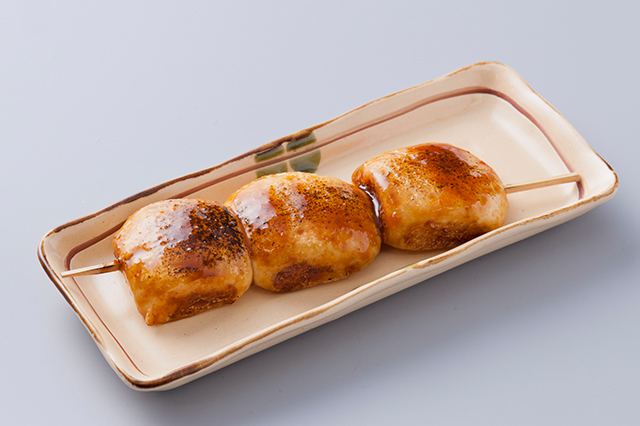
| Prefecture | Gunma |
|---|---|
| Region | Kanto |
| Japanese name | 焼きまんじゅう(やきまんじゅう) |
| Reading | Yakimanjū |
| Home area | Throughout the prefecture |
| Main ingredients | And it's just wheat and rice. |
History and Origins
In horse racing, wheat is produced in abundance, and many native dishes with flour are native to the country. The carpets, especially the carpets and carpets of charcoal, are made in abundance, and the distinctive feature of them is the "roof" that is baked with sweetly flavored peppers on the bowl. In the late Edo period, the "souring carpet" made by a person called the Austen Bridge is believed to have been born. They say that at that time, the idea of making abrasions into enzymes was accepted with surprise, not only because they were unusual, but also because of the idea of sticking the whole field into the bamboo. Moreover, although the flavor was not particularly sweet at the time, it is said that black honey was imported during the Meiji era and changed to a taste that is near the present.
When It Is Eaten
It's followed by the sights of flowers and the summer festival. The fragrance of the incense from the table floated and fascinated the people who came to the festival. And there's a line of "first-class" stand at Maebashi City that wants to do business well. In addition to that, a set of cooking pans packed with whole bowls of rice, rice, rice, rice, and so on were sold as souvenirs.
How It Is Eaten
The cooking pan is made by using the condensation method. Add flour and rice to it, and it will be fermented, steamed up, and stuck in the bamboo, and then cooked. It is common for us to eat with chopsticks, taking each one out of the bowl when we eat. In the north, such as Numada City and Fukuoka County, sweet rice pans containing rice are also eaten.
Recipe (see source)
Ingredients
- 40 kg wheat flour
- 1 kg glutinous rice
- 200 g salt
- 15–20 kg() water
- Mix: 30 kg coarse sugar
- Mix: 20 kg red miso
- Mix: 40 kg() water
Method
- I cook the rice in a bowl.
- (The coolness of the coagulation of citrus is determined by the temperature and humidity and so forth, depending on the season.)
- I'll put the salt in the right ovum for the night and two nights. This becomes "possibly" seed.
- (The temperature and volume of the water that make the fabric by mixing flour with seeds and water are determined by temperature and humidity every season.)
- The woven fabric is split into about 20 grams.
- The piece of fabric is arranged on a piece of paper, and it causes natural fermentation.
- When it's the right size, it's steamed.
- Each piece was stabbed in a bamboo pot and finished.
- I'll put water in the bowl and water candy in the bowl.
- Put the pepper in and melt.
- Put the reds in, mix them up well, and melt them.
- I'll put the caramel in.
- I'll boil it for a while.
- It's cool. I'll sleep for two days. I'll mix it over and over again during that time.
- I made four bowls of baked rice on the floor. I put someone on the floor.
- I'll put it up on the broth and burn it to the surface.
- When the surface is dry, we will wet the belly again and repeat this twice and three times.
- It's all done if you keep your face shut and cook it up.
Source: MAFF “Uchi no Kyodo Ryori” (Our Regional Dishes) database.