Home / Gifu / Kanboshidaikonni
Kanboshidaikonni 寒干大根煮
| Prefecture | Gifu (岐阜県) |
|---|---|
| Region | Chubu |
| Japanese name | 寒干大根煮(かんぼしだいこんに) |
| Reading | Kanboshidaikonni |
| Home area | I'm sorry. |
| Main ingredients | It's cold and dry, and it's hot and it's hot and it's hot |
History and Origins
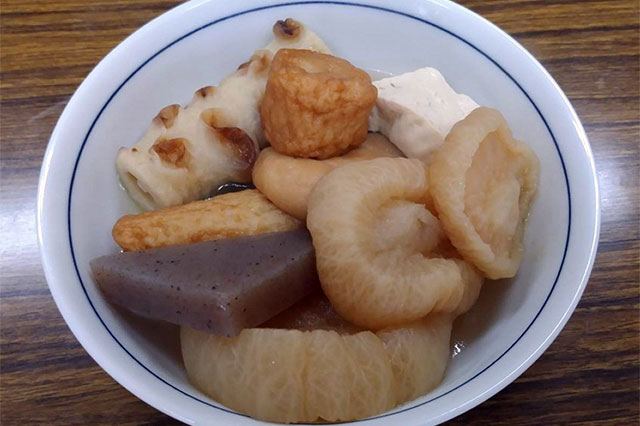
The dish prepared with soup and soy sauce, which is a product of the citrus, is made from the "cold - dry root" and is cooked with soup and soy sauce. The root that was stored in the ground in early November, when the temperature would rise to below the freezing point in February, would dig up, wash, ring, and then stick it to the bowl and dry it down the side. The temperature drops to minus 20 degrees during the night, so the main roots freeze, melt in the sun's light during the day, and dry up in the wind. After repeated this about a month or so, the main root becomes a candy color and condenses the sweet. Yamanomura, the native village, is at an altitude of 850 meters (about 850 meters) and is called "The Land of the Sky" and is said to have been isolated for about five months because of deep snow during winter. The survival diet, filled with the wisdom of its predecessors to survive such a hard winter, is a cold - cold - and - dry root. When cooking, it's a product that can be brought back in water and cooked, but not just stew, but a product with a variety of ovens.
When It Is Eaten
Cold roots, which are covered with cold winter temperatures, can be tasted throughout the year.
How It Is Eaten
The cold root will be soaked in either hot or mild water for about ten minutes. I'll boil the raw root and juice and cook it for about 20 minutes with soy sauce.
Recipe — Serves 8
Ingredients
- 50 g daikon radish
- 1 dashi stock
- soy sauce, to taste
Method
- I'll boil the cold, dry roots in the juice.
- I'll cook it for another 20 minutes while adjusting the flavor.
Dish data: Ministry of Agriculture, Forestry and Fisheries (MAFF), “Uchi no Kyodo Ryori” (Our Regional Cuisines) database, used under the Public Data License (PDL1.0); translated and adapted from the Japanese original.