Home / Osaka / Hamokawazakuzaku
Hamokawazakuzaku 鱧皮ザクザク
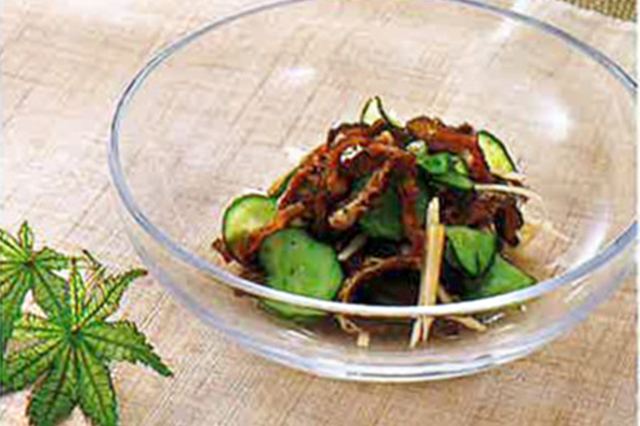
| Prefecture | Osaka (大阪府) |
|---|---|
| Region | Kinki |
| Japanese name | 鱧皮ザクザク(はもかわざくざく) |
| Reading | Hamokawazakuzaku |
| Home area | Osaka City |
| Main ingredients | I'm sorry. I'm sorry. |
History and Origins
In Osaka, which has long flourished in sea operations and commerce, a lot of water has been washed away and distributed. It was said that summer was in season and that "the cherry is made to taste better by drinking the rainy water." That is why in the summer festival, there will be a bowl of rice with the use of rice. In Osaka, the raw materials are used as a raw material. If you tear off the body of a squirrel in order to make a chick, then only skin will remain. It was the Sakura zak that removed this skin bone and then painted it with soy sauce and made it into vinegar with sweet sweets. It's called the Osaka. It's a good place to be eaten easily in summer. The cook's name "Sakzak" is called both the sound of cutting the broom and the sound of eating it.
When It Is Eaten
I cook with leather sold in candy shops and supermarkets. In addition to being eaten as a family dish, it is served in a restaurant as a side dish or a bottle. It's often made on the festival of Heaven in the summer.
How It Is Eaten
Put the paste in sweet vinegar, and mix it with a slice of salt, cut out of water.
Recipe — Serves 4
Ingredients
- 30 g 鱧の皮 (細切り)
- 1(100 g) cucumber
- 30 g young ginger
- 0.5 g salt
- Mix: 2 tbsp vinegar
- Mix: 1 tbsp sugar
Method
- The bark of the sauerkraut is ground in a fried pan.
- Cut the cucumbers into thin pieces, and try one square salt, and then cut them off for ten minutes.
- Cut the new pepper into sticks.
- The ingredients of the sai 3 can be taste A.
Dish data: Ministry of Agriculture, Forestry and Fisheries (MAFF), “Uchi no Kyodo Ryori” (Our Regional Cuisines) database, used under the Public Data License (PDL1.0); translated and adapted from the Japanese original.