Home / Okayama / Kiniranōhitashi
Kiniranōhitashi 黄ニラのおひたし
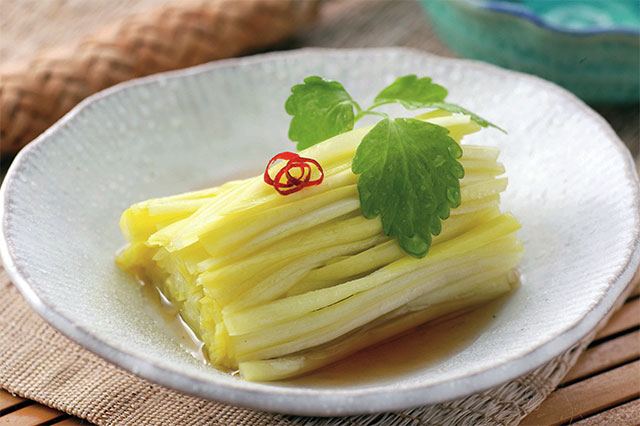
| Prefecture | Okayama (岡山県) |
|---|---|
| Region | Chugoku |
| Japanese name | 黄ニラのおひたし(きにらのおひたし) |
| Reading | Kiniranōhitashi |
| Home area | Okayama City, Red China. |
| Main ingredients | Yinyra |
History and Origins
The janilla is a product of Okayama Prefecture, and is 70 percent proud of its national product. By cutting off sunlight rays and growing them up in a unique way called "Clossing Garden," you can make a gorgeous pastel yellow. In addition to Nilaa's natural sweetness, the softer the fibers are, the more they can be eaten. It was said that, in the process of growing Nilaa, the taste was spread by the process that when it was covered with a pot, it was softened. After that, studies were added, and production expanded around the late 50s. Now it's recognized as a brandy of Okayama Prefecture. It's "smooth" in the way you eat the texture of food and the soft aroma and sweetness of materials. The flavors, such as the lubricant, which is made up of salted jaundice, can bring out the flavor of the jaundice and enjoy its charm to the full.
When It Is Eaten
Yellownirahs can be eaten throughout the year, but February will be the softest, and yellow-ishishish - yellow-ish-ish.
How It Is Eaten
The jannirah is a quick salt juice and is mixed with salt, salt, and so on. You can mix it with a sauerkraut or pepper.
Recipe — Serves 4
Ingredients
- 2 bunches garlic chives
- ponzu, to taste
- bonito flakes, to taste
- chili pepper, to taste
Method
- It's just a little bit of hot water.
- Put it in cold water, take out water, and cut it into the right lengths.
- And if you put on a din and pepper and taste it with pontice, it'll be finished.
Dish data: Ministry of Agriculture, Forestry and Fisheries (MAFF), “Uchi no Kyodo Ryori” (Our Regional Cuisines) database, used under the Public Data License (PDL1.0); translated and adapted from the Japanese original.