Chatsu ちゃつ
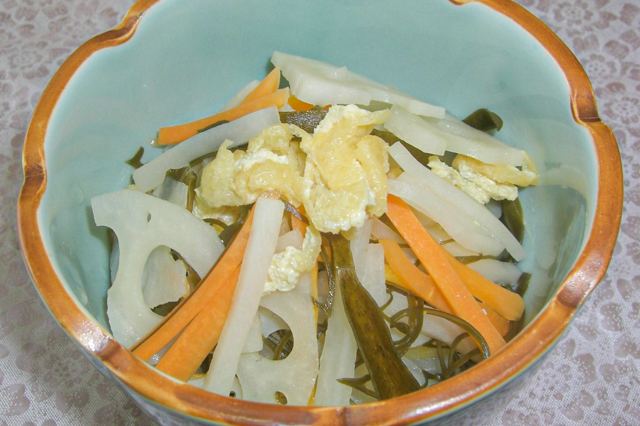
| Prefecture | Mie (三重県) |
|---|---|
| Region | Kinki |
| Japanese name | ちゃつ |
| Home area | North and Central. |
| Main ingredients | I'm going to do this in a couple of minutes. |
History and Origins
Local food prepared in the time of public affairs. It is said that this name is attached to the dish because it was called "Small's" because it was originally made of a Buddhist or Buddhist dish, and it was called "Small's" because the ends of the string were slightly opposite to the outside, and the base of the string was a wooden plate, and its name was called "Smachiko" and so it was named. But now, "knacks" are used in sash dishes as sash furniture, and rice paddies and rice paddies are added to it. The "snap" feature is that it does not use soy sauce to finish the dishes white. The sour flavor of a traditional native dish, especially in northern areas, especially in the mornings and towns, makes the taste sour. It's said that since Sakichocho is not facing the sea, vegetable "skull" has become a taste of native land. It's also called "heavy boil" in the fourth-day city and other central regions. In the past, it was kept in a brown bottle, which was soaked in hay, and it lasted two or three weeks in winter, but it was excellent local food, both for nutrition and preservation. In the northern part of the country, the ingredients are very similar, but there's also a dish called "Salup" that uses soy sauce.
When It Is Eaten
In the past, laws and New Year's were built when people gathered. After a few days, the flavor will be more palpable and the acidity of the vinegar will be soft. Only about a week can be saved.
How It Is Eaten
I'll cut radish, carrots, cucumbers, and oil raise. Zin cuts thinly. Put all the ingredients you cut into a pot and boil with a little water and vinegar, sugar, salt and water.
Recipe — Serves 4
Ingredients
- 100 g daikon radish
- 30 g carrot
- 30 g lotus root
- 10 g kelp (konbu)
- 20 g aburaage (fried tofu pouch)
- 1 tbsp vinegar
- 1 tbsp sugar
- 1 tsp salt
- water, to taste
Method
- The main root is cut, the carrots are cut, and the cloth is cut fine. The cin is to peel the skin and cut the fat, cut the thin pieces, oil the oil, and cut the cloth into a thousand pieces.
- Put all the ingredients in a pot together, and boil with vinegar, sugar, salt and a little water.
- It's not too hot. It's better if you have a chalica feeling left. (2) As a separate law, each ingredient is cooked separately and seasoned, and the last mixture is mixed with a taste juice.
Dish data: Ministry of Agriculture, Forestry and Fisheries (MAFF), “Uchi no Kyodo Ryori” (Our Regional Cuisines) database, used under the Public Data License (PDL1.0); translated and adapted from the Japanese original.