35 16 サンマーメン
| Prefecture | Kanagawa |
|---|---|
| Region | Kanto |
| Japanese name | サンマーメン |
| Home area | Yokohama City, Kanagawa Prefecture |
| Recipe yields | Serves 1 |
History and Origins
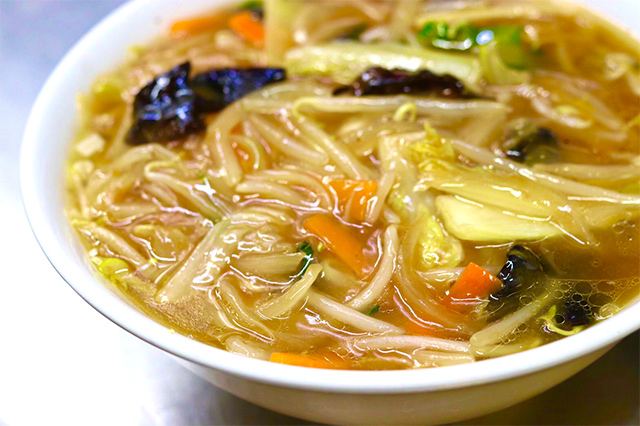
I put soup in a vegetable soup containing beans, cabbage, pork, and so on, and then I put it on ramen and served it with a dish of noodles. There are stories about its origin and kanji, but according to one theory, it means "nut" and that means "to put fresh, shaggy materials on top of it." Prewar Chinatown has often eaten beef, but it was expensive, so there's now a vegetable noodles "Sammarmen" dish. The soup was cool and the volume was high, and Chinese restaurants all over the province soon took over the menu. Now many of the ramen and Chinese restaurants in the province have Sammen as their main strength. For the people of Yokohama City and Kanagawa Prefecture, the Sunmen are familiar objects that are common to people on a daily basis.
When It Is Eaten
In restaurants around the province, you can eat at restaurants and eat at all seasons throughout the year. It's offered from expensive to popular stores, but it's mainly the taste of the unprincipled.
How It Is Eaten
If the pork is roasted and the color changes, I can add vegetables, kimchi jellyfish and other ingredients to make it fried. Add a flavored flavor, such as steam oil, and Chinese soup, and then add a paste to it with a water-salted piece of flour. I put ramen soup in the bowl and boiled noodles in the dish, and I put a vegetable pot in it and finished it. The regular tools are sprouts, cabbages, pork, but there is no specific definition for taste or material. The taste of citrus, salt, original materials, and so on are served in local stores.
Recipe (Serves 1)
Ingredients
- Mix: 25 g pork
- Mix: 60 g Chinese cabbage
- Mix: 25 g bamboo shoot
- Mix: 10 g komatsuna
- Mix: 65 g onion
- Mix: 15 g carrot
- Mix: 150 g bean sprouts
- Mix: 2 tbsp soy sauce
- Mix: 1 tsp sugar
- Mix: 1 tsp sesame oil
- Mix: 250 ml stock
- Mix: 2 tbsp potato starch
- Mix: 50 ml water
- Mix: 250 ml stock
- 140 g noodle
Method
- I'll cook it with a bowl of citrus in a hot pan.
- When the fire starts to pass, I'll put in a B-o-o-o.
- When the fire starts to go through, we add a cinnab, and we stop it.
Source: MAFF “Uchi no Kyodo Ryori” (Our Regional Dishes) database.