Garagara Oroshi ガラガラおろし
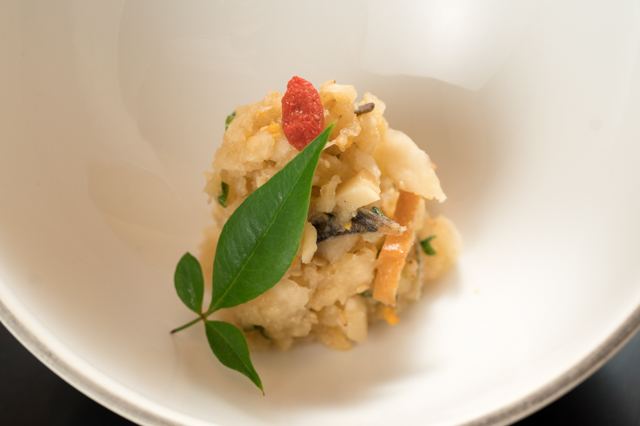
| Prefecture | Mie (三重県) |
|---|---|
| Region | Kinki |
| Japanese name | ガラガラおろし |
| Home area | North and Central. |
| Main ingredients | So, I'm going to start with a couple of things. |
History and Origins
"Galassing" is a three-sized native dish made of bamboo-made slats. The Edo age and the annual diet of rice were used, but when rice was not available, we say that it was donated instead of rice, and the region where we pay "grain-puff" from food shortages is said to have been exempted. It is also thought that the rattle of "grain down" is derived from the word "grain" or from the sound of a low - base tap. A regular droper will produce a lot of water, but if it's a quad, it can make a lot of soft, light-stabs at a time. It is said that the caster often used handcrafts in each home and used his mother to give his daughter to him as one of his bride's toys. Also, according to local names and materials, in the northern regions of Kuyaka and Konocho, in the northern part of the country, "Galajibu" and "Damaji Kono" in the southern part of the region, it is called "Pris" or "You can see it." "Galassing" was a hare meal that was prepared during the celebrations of the Cemetery and New Year's and Festivals and other peoples, but it was also served at the daily table. Although the tradition is quite different, the point where the main root is lowered with a stammerer is similar to the Tochigi Prefecture's "possibly."
When It Is Eaten
They were often eaten during celebrations such as the wedding feast and the New Year's and Festival of People. They are eaten year after year. I'm also loved as one of the rest of the chopsticks. Because they have different ways of making them, they say that they are based on boiling and boiling and boiling, while families who are not good at boiling can add potatoes or baked cherry and other conch. In the Iseba typhoon, five layers of life - forms were pressed, and none of the casters were made, but they are being made again.
How It Is Eaten
Get rid of the head and the entrails, and place a fine piece of boiling salt on the crushed vinegar. We cut down the tools, such as oiling, rice, and cucumbers, and then add the salt to the root. I add a paste to the miller and mix it. Add red pepper, white pepper and sugar. Put a boiling sauce on the miller and a large cob in the sauce, and then shake the chop.
Recipe — Serves 4
Ingredients
- 550 g daikon radish
- a pinch salt
- 25 g niboshi (dried sardines)
- 酢 ひたひたになるくらい
- 11/2 aburaage (fried tofu pouch)
- 1 chikuwa (fish cake tube)
- 1 green onion
- 1/3 yuzu
- 20 g sesame seeds
- 1 tbsp red miso
- 1 tbsp white miso
- 35 g sugar
Method
- I'll put the main root down and salt it.
- The boiling is to remove the head and the entrails, and then place them on fine pieces of vinegar.
- I'll cut off the oiling, rice, onions, and chocolates finely. I'm going to cut the root.
- I'm going to rub the paste on the mill, add red pepper, white pepper, and sugar, and mix it well.
- Add two and three inside and mix them together. I'll put a cut of the dipshit on the vessel.
- It's not too much of a mess. When the water goes out, it is pasted and no longer tasty. (2) Cooking is soft and delicious if you treat the boiling the previous day and put it on vinegar. (3) When there's no contusions, I use them as a substitute.
Dish data: Ministry of Agriculture, Forestry and Fisheries (MAFF), “Uchi no Kyodo Ryori” (Our Regional Cuisines) database, used under the Public Data License (PDL1.0); translated and adapted from the Japanese original.