Guruni ぐる煮
| Prefecture | Kochi (高知県) |
|---|---|
| Region | Shikoku |
| Japanese name | ぐる煮(ぐるに) |
| Reading | Guruni |
| Home area | All within the province. |
| Main ingredients | It's not like that. |
History and Origins
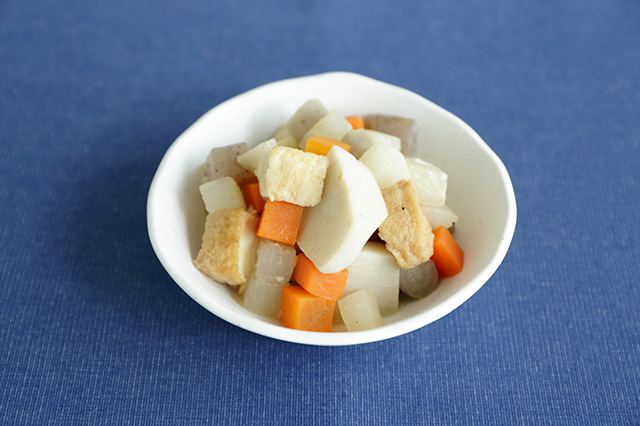
"Winging soup" is a stew that is made from a winter root plant, such as radishes, carrots, and lily potatoes. Each food is a vegetable readily available in the state. "Win" is the Commander's dialect, meaning "partner" and "all" and is said to come from boiling various materials together. In times when food was more difficult to raise than in our time, we used the right vegetables to make a large amount of "boiled soup" and were eaten with heat many times over. In the beginning, six ingredients were used, following the six letters of "Sun'Nazi Buddha." There are many ingredients currently in use. In the Kaninan city district, it's called "Gon." In Tsunami, nine pieces of cooking material are called "best soup." This is a recipe for a near-generating food, such as radish, carrots, rye, tofu, and so forth. When the three bowls are ready, it'll be "best soup." We've learned how to cut materials into squares, put potatoes in them, and so on.
When It Is Eaten
The boiling soup that warms you has been eaten in various parts of the world as a total vegetable in cold winter.
How It Is Eaten
We'll cut down on the root plants such as radishes, carrots, and resame potatoes. Put the soup in the soup and cook the vegetables cut in a large pot and taste them with soy sauce. It's a plain flavor, and it's an old-fashioned simple taste. As we continued to boil the ingredients, the flavors became so delicious that they were also grown locally as a large vegetable that can be made at one time. In some areas, we eat with the flavor of the sauce.
Recipe — Serves 4
Ingredients
- 300 g daikon radish
- 140 g taro
- 80 g carrot
- 80 g burdock root
- 1/2 blocks konnyaku
- 1(2) atsuage (thick fried tofu)
- 2 cups dashi stock (出汁じゃこ)
- 2 tbsp light soy sauce
- 2 tsp sugar
Method
- The ingredients other than the rator potatoes are cut into two-centimeter corners. The resames are boiled and boiled, and they are cut into larger pieces than other ingredients.
- The sauce is served with raw ingredients, flavored with flavor, and cooked with low cooking.
Dish data: Ministry of Agriculture, Forestry and Fisheries (MAFF), “Uchi no Kyodo Ryori” (Our Regional Cuisines) database, used under the Public Data License (PDL1.0); translated and adapted from the Japanese original.