Home / Ibaraki / Hamagurigohan
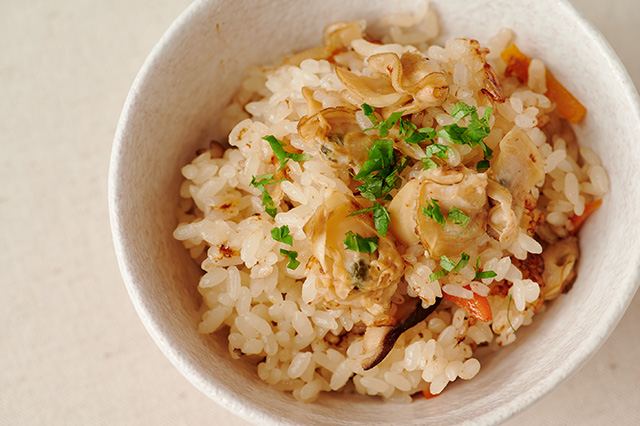
Hamagurigohan はまぐりごはん
| Prefecture | Ibaraki (茨城県) |
|---|---|
| Region | Kanto |
| Japanese name | はまぐりごはん |
| Home area | All within the province. |
| Main ingredients | I've got a couple of things I want to do. |
History and Origins
In the coastal regions where the sands of Kashima continue, in the spring, the huge clams of prenatal births will be removed. Sometimes there are more than 10 centimeters of clams that are sold and in the market they are traded at a high price under the name "The Deer Islande." The Japanese name "Chisshima" comes from the name "Chisten Hammergly" but it is often mistook for imported goods, so it is often mistook for imported goods, and it's named "Saishima" and brands it by name. At present, many of the clams that are distributed throughout the country have been imported, and the country's produce has been reduced to only about 10 percent, but more than half of them come from Kashima. To protect these rares, the three fishing groups of the Obaji, Kashima, and Kooji have a conservation program in which they have to cover all the maintenance and maintenance of the fish that they plan to fish in the round-the-line system. It's a very rare clam, but it's used to be a common place on the coast of the region. It was a familiar food in Ibaraki Prefecture. From what we taste fresh in sashimi and netting, from the freshly ground clams to the citrus or the steaming of wine, we have been known to cook in many ways. "I've been eaten at home for a long time," as a rule for chicken dishes.
When It Is Eaten
It is said that the season of the clam is in spring, but the "Husami Akishima" says that it will be fatted and flavored by June to July, since it will be just before the egg is laid. Since the shell of the clam is of a different size and of a different silken design, it would never match the other shell once removed, so it has been behaved at large hare, weddings, festivals, New Year's, and so on. Also, in the days when the clams were plentiful, household flavors were often used to make "snap rice" more popular.
How It Is Eaten
Cut the clams into easy-to-eat sizes, cut them into slices of carrots, and stir them quickly with oil, as well as with a little steam. You need to be careful that you get too thick when you're over-heated. When you cook the rice, add the soup and water left, boil it up, and then add the ingredients. Each home has different ingredients. You can taste the food and the flavor of the clam.
Recipe — Serves 4
Ingredients
- 3 cups rice
- 300 g ハマグリのむき身
- 7 fresh shiitake mushrooms
- 50 g carrot
- 3 tbsp soy sauce
- 1 tbsp sugar
- 3 tbsp sake
- 3/4 cups dashi stock
- 1 tbsp vegetable oil
- a pinch mitsuba
Method
- The clams are easily eaten and the carrots are cut and the objects are cut into a thousand. I cook and season the ingredients with oil. I'll separate the ingredients from the soup.
- Add water and soup to the rice, cook the rice, place the ingredients in the cooked rice, and then soak it for about ten minutes.
- It scatters three leaves as a color.
Dish data: Ministry of Agriculture, Forestry and Fisheries (MAFF), “Uchi no Kyodo Ryori” (Our Regional Cuisines) database, used under the Public Data License (PDL1.0); translated and adapted from the Japanese original.