Ibaramochi いばら餅
| Prefecture | Mie (三重県) |
|---|---|
| Region | Kinki |
| Japanese name | いばら餅(いばらもち) |
| Reading | Ibaramochi |
| Home area | All within the province. |
| Main ingredients | It's a little bit of a trick. |
History and Origins
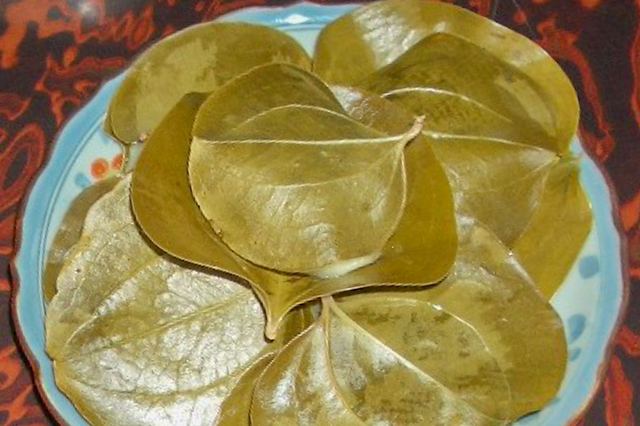
"The rose" refers to a thorn wrapped in a sally rose leaf. The "Nazi" eaten during the period of the May verse is known by different names in different regions. In the Tsu City, it's called "treasure," but in the district of Tokigo, it's called "treasure," but in the area of Shikoku, it's called "trea-trea-tree"; in the area of Shikoku, it's called "trem"; in the area of Shikoku, it's called "sama-sama-san." It's said that when a person named "No" made a bowl of leaves wrapped in leaves for a wild party and acted on the villagers, the pleased villagers were named after him because they copied the same bowl. In the Iga region, it's called "The Fish." However, Japan is an event that celebrates the end of farming, such as planting fields. It's also said that after this event, it's also called "Waogu of the Field." There's a custom of eating and working with people who have helped with farm work in the field, as well as in May's paragraphs. In other prefectures, one of the candys that has a lid in the pot is a walnut, while the sieve uses the leaves of the bush, whereas the leaves of the Salriyala used by the walrus are round and congealed, so it is ideal to wrap them up. It is also said to have been used as a substitute for carp leaves in Western Japan because they didn't get much of the leaves.
When It Is Eaten
It's often eaten during activities such as May's paragraphs, such as lints, rice harvests, and so forth. But it's also eaten as a common food. The leaves of the Sartre rose date from spring to autumn, they die in winter, but they can be frozen recently.
How It Is Eaten
Add boiling water to the mixture and sugar and boil until the powder is gone. Cut it into equal sizes and extend it to a circle about eight centimeters across. I wrap a pot in a bowl, fold it in two, hold my mouth tight, wrap it in a rose leaf, and lastly soak it up. When the leaves are small in spring, they will be folded up in two, and when they grow up in fall, they will be folded in two. While many families in the district of Tokigo use extra flour, many families use flour in the Middle and North regions.
Recipe
Ingredients
- 250 g joshinko rice flour
- 50 g sugar
- 1 cups boiling water
- 300 g bean paste (smooth bean paste)
- 10(20) smilax leaf
Method
- Put the powder and sugar in the bowl, mix them together, pour in boiling water, and stir them with thick vegetables. When it comes to heat put on by the hand, it will glow frequently until the powder is gone.
- It's a circle about eight centimeters in diameter, and it's rounding it with a measure of 30 grams, double it, and hold it tight. (If the leaves are small, round them and two of the leaves of the rose will fold them up and down.)
- Place two in a row in a steam - filled distiller, and water it with a heavy fire. If the leaves turn brown, they will evaporate.
Dish data: Ministry of Agriculture, Forestry and Fisheries (MAFF), “Uchi no Kyodo Ryori” (Our Regional Cuisines) database, used under the Public Data License (PDL1.0); translated and adapted from the Japanese original.