Katsudon かつ丼
| Prefecture | Yamanashi (山梨県) |
|---|---|
| Region | Chubu |
| Japanese name | かつ丼(かつどん) |
| Reading | Katsudon |
| Home area | All within the province. |
| Main ingredients | It's like rice, cabbage. |
History and Origins
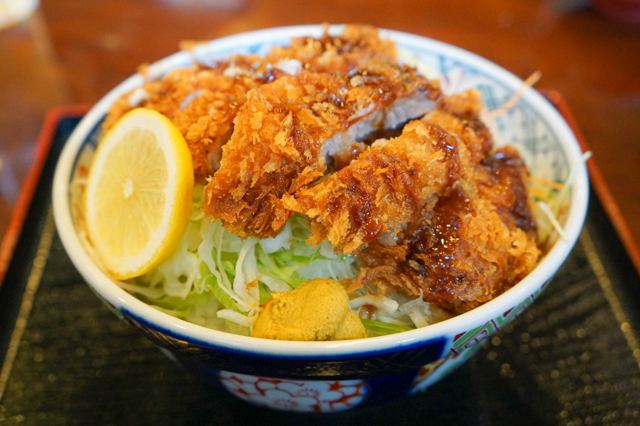
When I order "and" at Yamanashi, a handful of cabbages will hang on the rice and then a freshly fried bowl will appear on top of it. I eat a lot of sauce on top of it, but it comes out with chopsticks and sauces, which add to the appetite. When I see the "and" on the bowl, I feel a volume, but I can eat it without getting tired of it until the end by a little bit of a whitishly whitish snacked cabbage. Yamanashi Prefecture's "and the Sung" is born from a Japanese restaurant in the Meiji period. When my master at the Hajimura Harajuku shop, which lasted for over 360 years, ate and was moved into the menu when he went to Tokyo. However, since the haiku shop was the main source of the year before, it was said that the utensil was centered around one vessel, so a "and" could be put in a bowl.
When It Is Eaten
They're being eaten year after year.
How It Is Eaten
I can put a piece of cabbage on top of the rice and cut it off. I'll put the sauce on before I eat it, but there are places where I can choose between two types of sauces: some sauces and some U.S. sauce. There are also stores that serve not only chop-and-cut cabbage but also tomatoes, potato salads and so forth.
Recipe — Serves 1
Ingredients
- 200 g cooked rice
- 100 g 豚ロース肉
- 15 g panko breadcrumbs
- 1 lemon
- oil for frying, to taste
- とんかつソース, to taste
- 20 g cabbage
- 20 g egg
- a pinch salt
- a pinch mustard
- 1 tbsp wheat flour
- a pinch pepper
Method
- I'm going to put down the pork roast, and I'm going to fry it in order of flour, eggs and bread.
- I'll cut the cabbage into pieces.
- I'll get you a lemon.
- Cut the rope.
- I cook rice, cut cabbage, cook sauce, and add lemon and pepper.
More About Katsudon
Katsudon (Japanese: カツ丼; IPA: [katsɯdoɴ]) is a popular Japanese food, a bowl of rice topped with a fried tonkatsu pork cutlet, egg, vegetables, and condiments. The dish's name is a portmanteau of the Japanese words tonkatsu (pork cutlet) and donburi (rice bowl).
Preparation
The tonkatsu for the katsudon dish is prepared by dipping the cutlet in flour, followed by egg, then dipping in panko breadcrumbs, and deep-frying. Next, into a boiling broth of dashi, soy sauce and onions, the sliced tonkatsu and a beaten egg is cooked.
Variants
Other bowls, made of cutlet and rice but without eggs or stock, may also be called katsudon. Such dishes include:
- sōsu katsudon (sauce katsudon): with tonkatsu sauce or Worcestershire sauce, from regions such as Fukui, Kōfu, Gunma, Aizuwakamatsu and Komagane
- demi katsudon or domi katsudon: with demi-glace and often green peas, a specialty of Okayama
- shōyu-dare katsudon: with soy sauce-based tare sauce, Niigata-style
- misokatsu-don: misokatsu tonkatsu with a sauce made with hatchō miso on rice, a favorite in Nagoya
If pork is substituted with beef, it will be gyū-katsu-don. A variation made with chicken katsu and egg is called oyako katsudon, which is distinguished from oyakodon where the meat in the latter is not fried.
In culture
It has become a modern tradition for Japanese students to eat katsudon the night before taking a major test or school entrance exam. This is because "katsu" is a homophone of the verb katsu (勝つ), meaning "to win" or "to be victorious". It is also a trope in Japanese police films: that suspects will speak the truth with tears when they have eaten katsudon and are asked, "Did you ever think about how your mother feels about this?" Even nowadays, the gag of "We must eat katsudon while interrogating" is popular in Japanese films. However, as of 2019, police will never actually feed suspects during interrogation.
Text adapted from the English Wikipedia article Katsudon by its contributors, licensed CC BY-SA 4.0.
Dish data: Ministry of Agriculture, Forestry and Fisheries (MAFF), “Uchi no Kyodo Ryori” (Our Regional Cuisines) database, used under the Public Data License (PDL1.0); translated and adapted from the Japanese original.