Kirizai きりざい
| Prefecture | Niigata (新潟県) |
|---|---|
| Region | Chubu |
| Japanese name | きりざい |
| Home area | Transit |
| Main ingredients | I'm going to have to do something for you. |
History and Origins
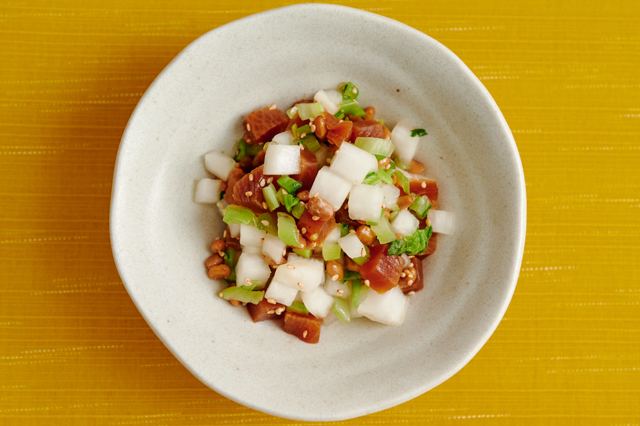
"Swift" is a local dish in the fishlands where vegetables are mixed in natto. Cutting is the meaning of a vegetable's "little." That history is old, and there is a record of warriors carrying it as a soldier's food. The southern fishlands were snowy, and because of the long winter snow, they were closed down, they took root in a survival culture, such as a well-preserved cucumber or a drought. It is said that when meat and fish were scarce, natto, the source of good protein, was so valuable that it began eating more and more of the leftovers and vegetables. It's a dish that comes from the wisdom of grandmother's life. It was also an important nutrients for the predecessors who lived in a harsh natural environment from the ease of ease and efficiency of feeding. The way things are constructed varies in subtle ways from home to home, allowing us to combine various foods with different tastes and tastes, so there is a great variety of variations.
When It Is Eaten
There's no time to be eaten, but throughout the year. I cook not only rice but also as a snack, using vegetables and food that is available at that time.
How It Is Eaten
Mix the Nozawa vegetables and carrots carved into natto. It's essential to add vegetables to Nozawa, and sometimes it's necessary to replace radish with radish. You can also combine Ikes and tuna fish and add to the delicious foods like natto, potatoes, okra and so on.
Recipe — Serves 4
Ingredients
- 100 g Nozawana pickles
- 200 g daikon radish
- 50 g miso-pickled daikon
- 40 g natto
- 1 tbsp sesame seeds
Method
- I'll cut the large roots in fine pieces, cut a pinch of salt and wash them.
- I'll also cut the vegetables into pieces. I can't put in the end of the leaves to give off a shaki look.
- Cut large-sized rice into the same size as the main root.
- Put a bowl in a bowl and mix it with a bowl and add a bowl.
- Just before eating, add natto and mix.
More About Kirizai
The unscathed dish is Niigata Prefecture native food. The Lord is eaten by the people in the country in China.
Overview
In the days when meat and fish were not very good, they put vegetables and vegetables in small pieces and ate more and more to eat so that they could eat as much protein as possible. According to the city of Southfish Numa, traditional dishes, which have been described in war literature, differ in ingredients and tastes from house to house.
In the South Seawater City, which is a finely carved pea of any of the dishes that you like to be served as a Nonozawa vegetable, there are many other tools that you can use, such as carrots, Goma, rice, and so on, and so forth. The additions are unique to each household.
Each home has its own obsession, and every home has its own manual, and it has a wide range of pasta, fried and cooked.
The wisdom of the kitchen for eating the leftovers without waste was born and the leftovers were made from the leftovers of the winter. Mixing vegetables and condiments also helps to reduce the characteristic stickyness and smell of natto and improve the nutritional balance. I have a unique sense of food.
How?
Since the recipes are different, we will list multiple recipes here.
I'm sure you'll be happy to be here. It's easy to beat natto with a knife and mix it with other tools. A square with a gyre of about five millimeters, and a hanozawa vegetable with a piece of stem and leaves carved out to make it taste good.
And then we're going to have to do something about it.
The NHK's Great Waterman Drama, broadcast in 2009, was triggered by a crowd of citizens who started a city as the materials for the sight - seeing after the drama.
In 2011, young people in the South Fishtown area set out with a volunteer organization called the "Dediths of the Great South Sea." It's sending out the city's charm through the "The Lanternuts" with their crescendo on fish's rice. It's sending out its participation in Glumuri and so forth.
Text adapted and translated from the Japanese Wikipedia article きりざい by its contributors, licensed CC BY-SA 4.0.
Dish data: Ministry of Agriculture, Forestry and Fisheries (MAFF), “Uchi no Kyodo Ryori” (Our Regional Cuisines) database, used under the Public Data License (PDL1.0); translated and adapted from the Japanese original.