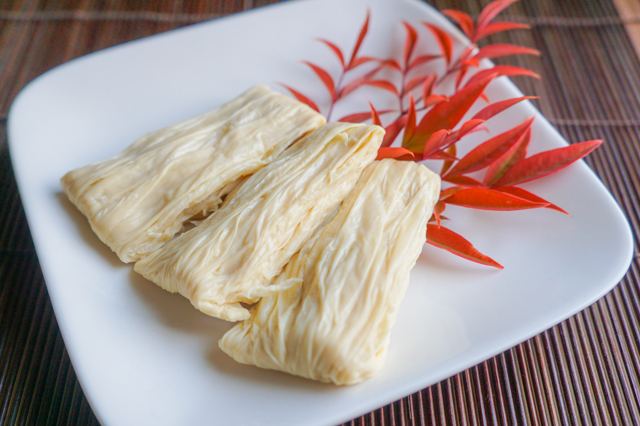
Namayuba 生湯葉
| Prefecture | Yamanashi (山梨県) |
|---|---|
| Region | Chubu |
| Japanese name | 生湯葉(なまゆば) |
| Reading | Namayuba |
| Home area | It's a long-term town. |
| Main ingredients | Fresh Water Leaves |
History and Origins
The "Symorrhage Leave" is a membrane made on the surface of a membrane that boils and grinds the beans, ground them with cloth and boils them. It is a length of town, and it has a lot of products. "Feels of fresh water" are not one type, but there are many different kinds of "water leaves" that are different from the thickness and texture of food. It is said that some 75,000 years ago, when the Sun-Sun-Sun-Sun-Sun-Sun-Sun-Sun-Sun-Sun-Sun-Sun-Sun-Sun, the disciples began to notice the master's body and form a good source of digestive nutrients. It is also said that about 1,200 years ago, the first priest of the Peace Age, brought back "hyzu leaves" with China and with "Buddhis." Soybeans contain good vegetable protein and fat, support the bodies of priests who are forbidden meat, and are still one of the most important dishes of the day.
When It Is Eaten
They're being eaten year after year.
How It Is Eaten
The raw water leaves are cut to a small size and eaten with the steamed oil.
Recipe — Serves 1
Ingredients
- 50 g fresh Water Leaves
- 1 tbsp dipping sauce
Method
- Put the southern sky on the plate and put fresh water leaves in front of you.
- I'll add some juice.
Dish data: Ministry of Agriculture, Forestry and Fisheries (MAFF), “Uchi no Kyodo Ryori” (Our Regional Cuisines) database, used under the Public Data License (PDL1.0); translated and adapted from the Japanese original.