Nukamisodaki ぬかみそ炊き
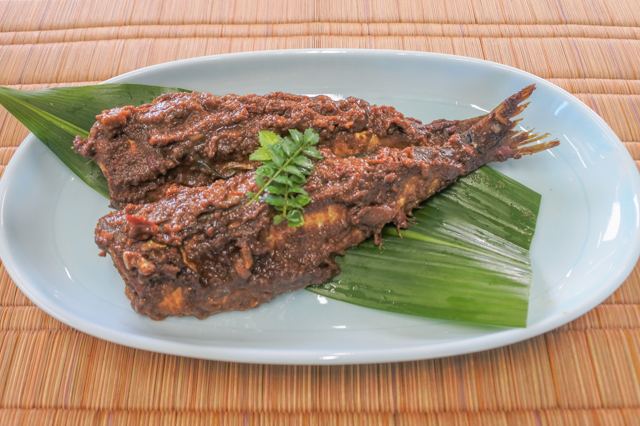
| Prefecture | Fukuoka (福岡県) |
|---|---|
| Region | Kyushu & Okinawa |
| Japanese name | ぬかみそ炊き(ぬかみそだき) |
| Reading | Nukamisodaki |
| Home area | Kitakyushu City |
| Main ingredients | I'm so sorry. |
History and Origins
The old house in Osamaga, once a food-saving food, has been passed on to the old house in Osama, and it has spread and is now passed on to the common people. In the old house of Kokaku, the floor of the barn in a bowl of oak, yakuza, and yakuza inherits from the ancestors and I'll share the dane with my daughter. Not many houses are proud of their "100-year-olds." In summer, it was the housewife's custom to mix them from the bottom of the tub at one time, in the morning, in the morning, at noon, in the evening, in the winter. When you boil well-boiled vegetables such as the green fish, such as the iridium and the Saba, a handful of this little piece of the floor will make you smell off. A nickname is "med-up" and is called the name of the taste-smell of the lady who was made to pass among the ladies in the old bazaar. It is also used in warfare for its high nutritional value, for its preservation and for its preservation. More sugar and alcohol were added than during the middle of Edo, and it has led to today's "Schin's Day" eating culture. Generally speaking, they go by the names "Schika" and "Koji" and "Koji" in Japanese.
When It Is Eaten
You can eat it through the year. The rice is eaten as a wine bowl. Besides that, they are also behaved at the annual wedding feasts, such as New Year's Cook and the funeral.
How It Is Eaten
First, "swallow" is served with green fish, irabe or sabbatical, and cooked with citrus oil, garlic, sugar and so on. If you have a reasonable fire, put a floor in and make sure it's cooked with a fire. The unique smell of blue fish comes out, instead, with the flavor of the floor. The flavor of it is the raw material of the floor, the flavor of the mountains and peppers, and every time you make a dish, you are born with vegetable extracts that are stored on the floor.
Recipe — Serves 5
Ingredients
- 10(800 g) sardine
- 80 ml sake
- 80 ml soy sauce
- 80 ml mirin
- 30 g sugar
- 300–400 ml water
- 40 g ginger
- 100 g miso
- 1 chili pepper
- 10 g ginger (ginger)
Method
- The eagle puts its head on its back and pierces its internal organs. Put it on a thin salt water and smell it. (IN ENGLISH)
- I'll mix the taste in a flat pot, put the eagle in line, and cook the dishes.
- When the juice is low, put the rice on top of it and cook until it is ready. I can put a needle in the end.
More About Nukamisodaki
The dish is native food in the old pre-governable region, centered around Fukuoka PrefectureZQQ019X. It's also called boiling, cuddling, and so on. It is a special flavor to cook blue fish such as the eagle and the saba, in cooking with the nascent of the floor and using the floor for flavoring.
Overview
For fish to be eaten, the main ingredients are the eagles and the Sheba. In one of the cooks, the fish are boiled with soy sauce, lentils, sugar, and then cooked with a weak flame, along with some of the ripe or floor. In addition to rice, salt, water, peppers, mountain peppers, and so forth, the distribution and management of rice and rice on the floor vary from home to family.
In the introduction to Kitakyushu City, you can tell the traditional formulas that taste only on the floor, not on the floor, but on sugar, soy sauce, and so on. The material introduces the former as being sold mainly in the market and the latter as being cooked in the home and in some stores. It is distinctive to use ripe or flooring when cooking in native food.
I can eat rice as a bowl of rice or a bowl of wine. In addition to fish, there are other applications that are based on spare ribs, chicken wings, eggs, and garlic.
History
The small-mass region has been told of the eating habit of taking in the remains of the Edo and making dandelion. In this area, the floor has been used not only for cucumbers but also for the flavors of stew. Kitakyushu City introduces a history that shows that in 1626, Kokaku's master, Migawa Kokashi, gave either his bed or his bed to his father.
As for the spread of floors, there is also a line connecting it to Mr. Kogihara, who ruled Kogihara during the Edo. There are also theories that link the nickname "medicine" to the names of the women in Kokoku, or that the name" is given to the owner. However, in a study of food cultures conducted by Kitakyushu City every 2024, no literary records were found that directly indicated the origin of the rosewood.
STUDY ARTICLES
Experiments have been conducted to study the effect of the smell of fish on the unspoiled or smudged taste. A comparison of samples that boiled the maaji with rice or rice or garlic has been reported to have inhibited the production of trimethylamines in additives and the increase in aldehyde in reserve.
While the sensual examination confirmed significant reduction of fish odors in a sample made of rice rice, the sample with a taste of gravy was not liked by young subjects who were not used to eating it. The researchers point out that a relatively familiar taste with taste can affect tasteability.
It's inherited and spread.
In addition to cooking in the home, rice is served and sold in markets and restaurants in Kitakyushu City. It's handled in commercial establishments such as over-markets and so on. It's inherited not only from home but also from local food.
A study conducted by Kitakyushu City for 2024 found that 11 people who live in the city and cook rice in their homes, heard about the history of the floor, how to handle it, how to cook it, how to cook it, how to cook it, how to cook it. There are examples of floors that have been maintained for more than 20 or 60 years, and home-to-house differences were seen in cooking methods and ingredients used. According to the report, there were cases where some of the researchers who helped with the investigation ate raw rice almost every day, while others made rice twice a month.
Also, in a city government monitor survey, the percentage of 78 respondents said that they knew that rice was native food was 97.4% of them said they had eaten it, and the percentage of them said they had eaten it was 87.2%. On the other hand, 80.9 percent said they had never made it themselves. And the answer is 16.7 percent that you have a floor, and the rate has dropped since the 2015 survey.
A series of reports lists the inherital challenges of the decline in the home and the production of raw materials. Kitakyushu City is producing "Silent or Smudge Map" and doing publicity work to introduce stores that can buy and eat cucumbers.
The Department of Culture has identified "The Food Culture of the North Kyushu" with the "Food Department of Tradition" 2021 and selected for the special prize of the same year's intellectuals.
Text adapted and translated from the Japanese Wikipedia article ぬかみそ炊き by its contributors, licensed CC BY-SA 4.0.
Dish data: Ministry of Agriculture, Forestry and Fisheries (MAFF), “Uchi no Kyodo Ryori” (Our Regional Cuisines) database, used under the Public Data License (PDL1.0); translated and adapted from the Japanese original.