Home / Kanagawa / Odawarakamaboko
Odawarakamaboko 小田原かまぼこ
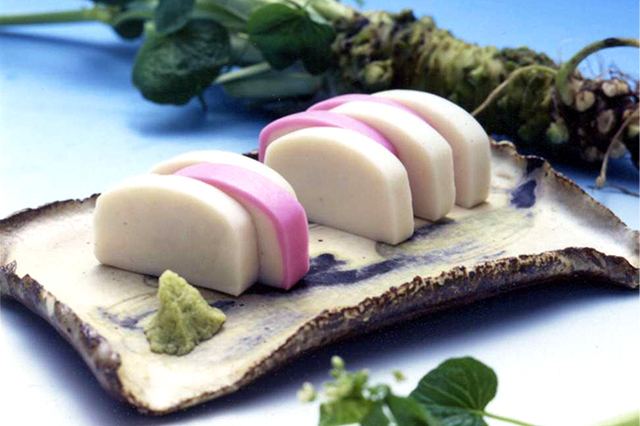
| Prefecture | Kanagawa |
|---|---|
| Region | Kanto |
| Japanese name | 小田原かまぼこ(おだわらかまぼこ) |
| Reading | Odawarakamaboko |
| Home area | Oda |
| Main ingredients | Fish's skin. |
History and Origins
I seasoned well-dressed fish and boiled it on wooden boards. It is a special product of Odata City. The food is mainly made from white fish. Many times before the fish are worn, water is used to remove impurities and oil, creating a fine, elastic sense of food. The shape of the board that has been spotted to be flat is characteristic. This phenomenon is so old that in existing literature, the first sign of the phrase "single" appeared in a banquet chart drawn during the peaceful period. At first, it was said that it was like slicing a nail, burning it with bamboo cores. The resemblance of the appearance to the ear of the (single) (single) (single) has led to the term "single" (singing). Soon the fish's skin was burned on wooden boards, and at the end of the Edo era, it appeared as steam. Kodahara already had them when it was room town, but it was not until the late Edo that they came to be productive. Since Saito Bay was well caught near the coast, because of its rich mineral content of water, and because many people in Tokushima, Japan, have traveled to the area of Kansai, the main flow of the water has also become known to the country as a masterpiece of the rice fields.
When It Is Eaten
You can eat it through the year, regardless of the season. Not to mention regular meals, it can be part of New Year's snacks and celebration seats.
How It Is Eaten
I'll put Guchi's meat in water and remove oil and blood. Take the water and peel it, add salt, sugar, garlic and other flavors to it. I'll put it on a board and form it and water it.
Recipe (see source)
Ingredients
- seasonings (salt), to taste
Method
- I'll put fish on the freshly polished water and remove oil and blood.
- Get rid of the extra water from the dried fish.
- I'll add salt with a stone mill. This time, I add the necessary flavorings to it and then season it.
- (Single) Remove the skeletons and skin from the stamen and add to the fineness and whiteness of Otahara's master.
- Put it on top of the plate.
- I'll be steamed with steam.
- It cools down until the temperature of the cochlea reaches 0°C.
Source: MAFF “Uchi no Kyodo Ryori” (Our Regional Dishes) database.