Ogurarenkon 小倉れんこん
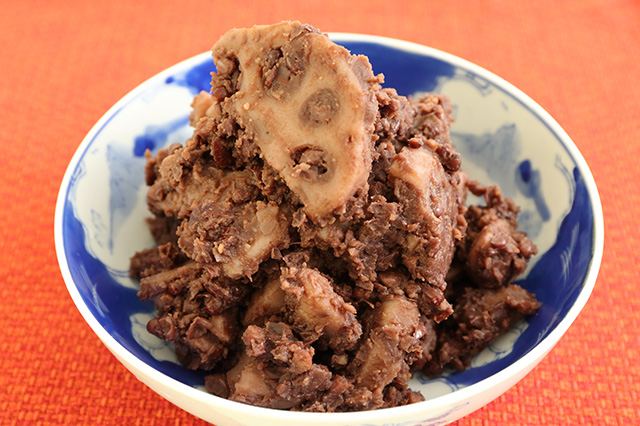
| Prefecture | Ibaraki (茨城県) |
|---|---|
| Region | Kanto |
| Japanese name | 小倉れんこん(おぐられんこん) |
| Reading | Ogurarenkon |
| Home area | I'm in the area of Kasura. |
| Main ingredients | Hey, little bean. |
History and Origins
Ibaraki Prefecture's crinkling is one of the largest shipments and constructions in the country and has a share of more than 50 percent in the country. The area around Komasaura is blessed with abundant water and fertile swamps and a rich crop growing. The harvest season in Kookaura is around July to March. At this time of the year, all the stem and leaves will be cut down to stop the growth of the cob. In this way, you will be able to sleep underground slowly and keep the starch in. Long stay in the mud will add starch to the summer bowl, making winter's rainy season a bitter taste, and it'll make winter's rainy season a refreshing taste. And since the beans are also made with Ibaraki Prefecture, they can be made with local food, so the "Small Knack" has been made at home for a long time. In other areas there is a local dish called "snap beans" or "soy soup" and it's the best thing to do with Ibaraki Prefecture, which is to boil with the beans, and make it a citrus color. The Japanese name for the mountain is Ibaraki Prefecture, which came to be called the mountain of the purple mountain because it is sunned in the morning and the evening and has a red skin.
When It Is Eaten
The holes were known as the platypus, which can be seen from a distance, and the beans were also essential for the New Year and the Sung affairs as the red color is offensive. So I'm going to go to the table as an essential dish for New Year's.
How It Is Eaten
The beans are packed into a hollow, about three inches [5 cm] cut by skin and then put into a pot. Put water in to the point of getting thick. Put it in a slow, low fire, and boil it for two to three hours. If the beans become soft, put sugar and salt in them and season them, slowly cool them, and then eat them. It's easy to eat now to cut it into about an inch thick. Since it's not so good, it's the point that the beans boil together from the state of the beans.
Recipe — Serves 4
Ingredients
- 200 g lotus root
- 25 g azuki beans
- 100 g sugar
- 1/4 tsp salt
Method
- I'm going to cut the convex into five centimeters by skin.
- I'll point the hollow hole up in the pot and line it up in a straight line.
- I'm going to wash the little beans clean. Pack the beans in the hole in the pot. If you pack too much too much, you'll break the knot, so I'll be careful.
- Put water in the pot until it gets soft, and boil the beans slowly in a weak fire until the beans are soft. When the water is low, add water and boil it for two or three hours. If you boil it in a strong fire, the beans will run out of the hole in the broth, so I cook it slowly in a weak fire.
- When the beans are soft enough, put sugar and salt in and season them.
- I'm going to cut it into about an inch long.
Dish data: Ministry of Agriculture, Forestry and Fisheries (MAFF), “Uchi no Kyodo Ryori” (Our Regional Cuisines) database, used under the Public Data License (PDL1.0); translated and adapted from the Japanese original.