Rakkaseinonimame 落花生の煮豆
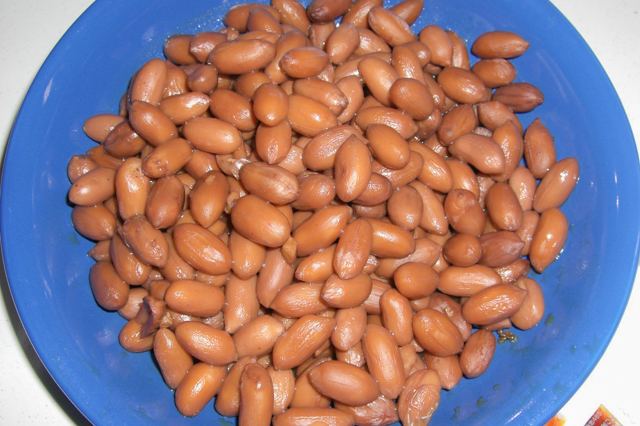
| Prefecture | Mie (三重県) |
|---|---|
| Region | Kinki |
| Japanese name | 落花生の煮豆(らっかせいのにまめ) |
| Reading | Rakkaseinonimame |
| Home area | The East Coast, the Central and South American cultures. |
| Main ingredients | It's called "snap" because it's called "sniff." |
History and Origins
In the southern and southern east regions of the East, the sun is high and the average temperature is high, so it's suitable for the growth of phytoplankton. It is said that this has caused a lot of dead flowers to grow from time to time, and that they were beginning to boil and eat something that hadn't yet been drilled. Fallopian plants not only are roasted and eaten but are used in various dishes. There are either boiling beans, or a five-in-a-row soup, and there's "Feelfish" and so on. In the past, it was said that if you became malnourished, you could eat a flower and heal it. It was a valuable source of nutrition.
When It Is Eaten
(The black beans made on New Year's Eve with the hope that they will live in good health this year) Other occasions, such as trays and entrance ceremonys, are set up for many affairs.
How It Is Eaten
I'll keep a flower flower in the water overnight. Put the flower plants and water in the pot, drain, and take a bucket. Throw away the soup, until it becomes tender. Put the juice in and cook until it is soft. When it's soft, put sugar in it and boil it for a while. Finally, add wine, sesame oil, and cook more until the flavor is firmly digested. In some areas, there are ways to cook without the use of soy sauce.
Recipe — Serves 4
Ingredients
- 3 cups peanuts
- dashi stock, to taste
- 90 g sugar
- 4 tbsp soy sauce
- 4 tbsp sake
Method
- I'll keep a flower flower in the water overnight.
- Put the flower plants and water in the pot, drain, and take a bucket. Two times.
- Throw away the soup, until it becomes tender. Put the juice in and cook until it is soft. (But when the juice is low, I'll add it)
- When it's soft, put sugar in it for a while and boil it for a while, drink it, sesame oil, and cook it until it tastes good.
Dish data: Ministry of Agriculture, Forestry and Fisheries (MAFF), “Uchi no Kyodo Ryori” (Our Regional Cuisines) database, used under the Public Data License (PDL1.0); translated and adapted from the Japanese original.