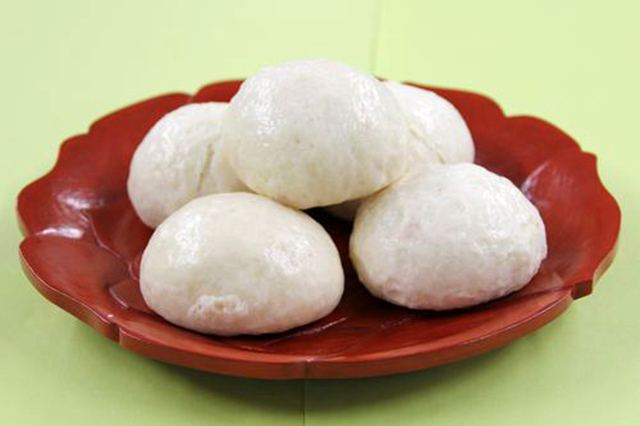
Sakamanjū 酒まんじゅう
| Prefecture | Kanagawa |
|---|---|
| Region | Kanto |
| Japanese name | 酒まんじゅう(さかまんじゅう) |
| Reading | Sakamanjū |
| Home area | Saitohara City |
History and Origins
A mixture of wine seeds and flour made from rice and rice sauce, wrapped in cans, and steamed up. Since the compound was a land where volcanic ash was too much for rice crops, old wheat, barley, and other fields have been cultivated with various foods, using ground dust. Among them, the drinking area was always on the table when it came to festivals and people. There were times when it was said that "what we can make on a bottle of wine is our marriage." The best time to fertilize the fabric is when it is hot, so it is especially for the festivals held in July and August, where they were made in large quantities in each home, where they were enjoyed and distributed to relatives.
When It Is Eaten
Handmade at home today, it is not made at home, but it is sold throughout the year in candy and farmry throughout the city, and it is highly popular in the community. There's a special flavor in shops, such as making them in traditional methods or sticking to local ingredients.
How It Is Eaten
The traditional method of cooking is to use water and wine on white rice to fertilize the dough. And there are times when you use a little bean on the materials, not a little bean on the board, but something like that. Since traditional recipes will take days before they are ready to be prepared, local food organizations are also introducing recipes that are designed to make it easier to make in the home by using baking powder and sakes. Even though traditional recipes are called "oversides," those that do not use wine are called and distinguished from those that do not use it.
Recipe (see source)
Ingredients
- Mix: 2–3 cups cooked rice
- Mix: 600 ml water
- Mix: 25 g rice koji
- Mix: 1 kg local wheat flour
- Mix: 21/2 cups soy sauce
- Mix: 4 tbsp sugar
- Azuki bean paste: 2 cups azuki beans
- Azuki bean paste: 350 g sugar
- Azuki bean paste: 1 tsp salt
Method
- I put the ingredients of the seeds in a cup of coffee, and mix them up well and let them produce.
- If the rice doesn't float, I squeeze it. The summer season will start in about two days, and winter will take 5 days.
- I add sugar and soup to the ground ground ground ground powder, and then add them to the softness of the ears and put them to sleep. This summer is about four hours, and winter is about twice as large if left overnight. If you put sugar in the flour, it won't make the fabric hard.
- I gently remove the dough twice a gas, and I will do even better.
- One bottle at a time, it will tear apart and shape it smoothly.
- (The center of the fabric is thick and thin outside.)
- I'll put the bottle I've made around the center of the skin and wrap it in leather. Finally, the skin is held tightly on the fingertip so that it doesn't open its mouth. I'll be able to sleep for half an hour until I press my finger from top to back.
- Put it in a steamer and steam it for 20 minutes. Watch out for the fabric breaking when it is steamed.
- Take it down from the fire and bring it out by the side.
Source: MAFF “Uchi no Kyodo Ryori” (Our Regional Dishes) database.