Home / Yamanashi / Sanma Meshi Yama
Sanma Meshi Yama さんまめし
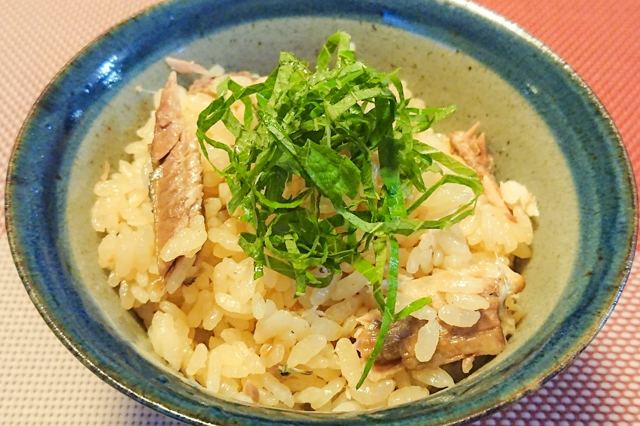
| Prefecture | Yamanashi (山梨県) |
|---|---|
| Region | Chubu |
| Japanese name | さんまめし |
| Home area | Central and Central |
| Main ingredients | It's not just rice, it's rice, it's rice. |
History and Origins
The dish that we cooked together the Sama and the New Yorkers at that time is "Snocking." On the farm, when the autumn harvest was finished safely, "Singing" was essential for a celebration day. An old theory says that at the end of the rice harvest, "The festival was started" (from the early days of the festival) that the vendors sold from the new lagoon) and that what was left of the new rice had become the present "single." It's been made in many homes now because of cooking that is delicious when you're busy and you're only cooking the rice with rice.
When It Is Eaten
In autumn when the rice harvest was over, and in the spring when Sama and the new ones were coming out, they were especially on celebration days. Even now, when it comes to the season, families are still eaten by them.
How It Is Eaten
You have to wash rice half an hour before you cook it, and you drink it. I cook rice, Samma cuts, water, wine, and soy sauce. When you cook, take out the sunma cut and relax. I'll put the loosened Samma back into dinner and mix it with a piece of raw pepper. As a recipe, you can mix the Samma raw and then mix it with a net or something. Both are delicious, except for rice and rice and so forth. It is delicious to be able to hold back the blue fish's unique claws.
Recipe — Serves 4
Ingredients
- 2 cups rice
- 2 cups water
- 250 g※2 Pacific saury (fillets)
- 40 g sake
- 40 g soy sauce
- 50 g fresh ginger
- shiso, to taste
Method
- The rice must be washed half an hour before you cook it.
- I'll cut the ginger into a round two millimeter width.
- A rice bowl is cooked with a slice of rice, a Samma cut, water, wine, and soy sauce.
- When you cook, cut the Samma and relax.
- Put the looser in the pot and mix the two peppers together.
- It's a cup of tea, a cup of tea, a cup of tea, and a cup of tea. It's all done.
Dish data: Ministry of Agriculture, Forestry and Fisheries (MAFF), “Uchi no Kyodo Ryori” (Our Regional Cuisines) database, used under the Public Data License (PDL1.0); translated and adapted from the Japanese original.