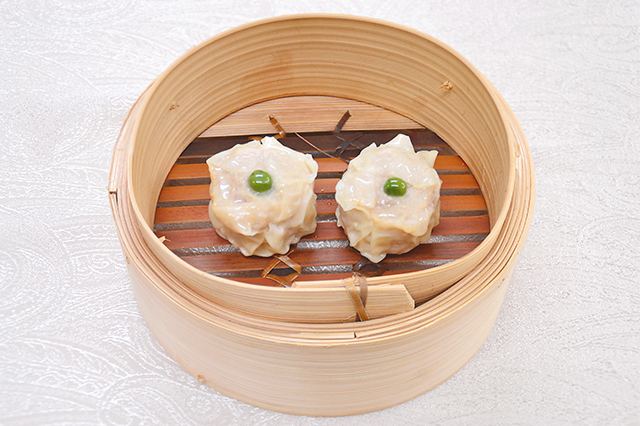
Shumai シューマイ
| Prefecture | Kanagawa |
|---|---|
| Region | Kanto |
| Japanese name | シューマイ |
| Reading | Shumai |
| Home area | Yokohama City, Kanagawa Prefecture |
History and Origins
Yokohama City is the largest city in Japan that uses the shumi. While Yokohama City is more than twice as much as 2,248 yen (excluding frozen foods and meals in restaurants throughout the country) for the average annual consumption of $1,093 yen (excluding foods). Then the city of Kisaki will be followed by 1,951 yen. As a factor, the existence of the Tokyo Chinese China Street, the Chichii Shii or the Mecca of Chinese food, known as Yokohama's best - sellers, is a big factor. Sakiyaki was founded at the first Yokohama station in 2008. With the tip of a sauerkrama offered as an introduction in the Tokyo City area, he used dry, sail-stuffed snails for equipment, developed a delicious "swing" cool but he started selling it for the train passengers in the year 1. In time, Chichiichi Shima became known throughout the country as a souvenir to Yokohama. In addition, since Yokohama also has a strong image of Chinatown as a tourist spot, it can be thought that the Shumai itself was set up as a masterpiece of Yokohama. Even more, the shop in Sasai, located on every train station within Kanagawa Prefecture, is now a familiar landscape for the locals. the Ministry of Internal Affairs and Communications Family Survey.
When It Is Eaten
It is readily available in supermarkets and conveniences, whether as a citrus or as a tool, and can be eaten throughout the year, regardless of the season. In addition to being known nationally as home food, there are restaurants around the center that handle Chinese food. There are also many stores that pour on Swmei in Yokohama China. Also, in Kanagawa Prefecture, there is a side to it as a regional masterpiece, so it's also handled by tourist corners and souvenir shops.
How It Is Eaten
A well-dressed pig meat, add flavors such as sesame oil and oisster sauce, and onions and other ingredients, and mix them together to make a tannet. I'll wrap it up and steam it up and finish it. By the way, if you add green pieces to your shoe, it's usually placed on top of the board.
Recipe (see source)
Ingredients
- Mix: 30 g egg
- Mix: 3 g salt
- Mix: 10 g sugar
- Mix: a pinch pepper
- Mix: 6 g oyster sauce
- Mix: 3 ml soy sauce
- Mix: 5 g sesame oil
- Mix: 10 g potato starch
- 10 green peas
Method
- Put a sieve in the bowl and paste it until the meat fibers are crushed.
- Add the citrus to the paste and mix it until the whole thing has a taste.
- Add a sieve to the paste and mix it. By putting the seasoning fee in order, we can draw out the elasticity and flavor of meat. And adding oyster sauce will enhance the smell and moss. The ground beef is always used on the day's end, and it uses 100% pork.
- If you put your wrapped shoe around it and place your packing sheet on top of it, then you'll be steamed with a boiling steamer for about seven minutes. If you stop the fire, you'll be steamed for one minute. By boiling the juice for a minute, you can make a nice, yew-sai without letting it out.
Source: MAFF “Uchi no Kyodo Ryori” (Our Regional Dishes) database.