Teuchisoba 手打ちそば
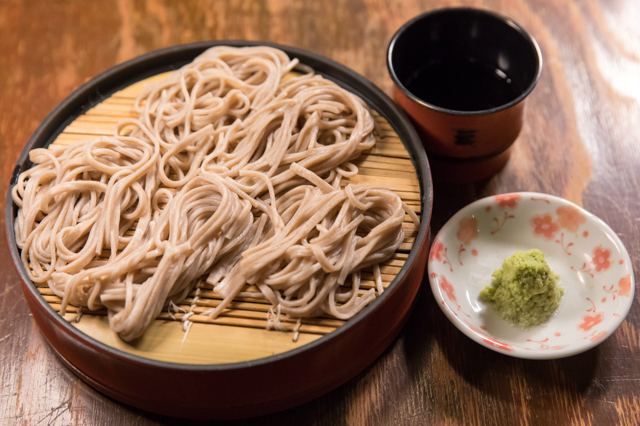
| Prefecture | Nagano (長野県) |
|---|---|
| Region | Chubu |
| Japanese name | 手打ちそば(てうちそば) |
| Reading | Teuchisoba |
| Home area | All within the province. |
| Main ingredients | Fulgus |
History and Origins
As for Nagano Prefecture, it's called "Yujiju," and as for Nagano Prefecture, it's a typical native dish. In the cool climate, rice and wheat were grown as hard and cold farm produce. At high altitudes around 700 meters (about 700 meters) high in the morning fog, you can make a delicious dish of rice in order to protect the frosty, soft-stained stalagmites. It's also famous for its birth (by the side of the soy saucer) and it has many special and famous places nearby, such as "Douji Koda" and others. The "door cover" called "below the frost" is characterized by a good flow of fresh, cold water. An old-fashioned squabble, a single stick stretching, and a small-scale arrangement is called "me-me-me." Also, the "snap" that is kept away from the nearby flavors is over 90 percent of the province's produce from Kumuzaki City, and continues to be the country's biggest producer. The throats raised in the melting water from the North Alps are characterized by smooth, soft - looking mosses that enhance not only the sweets on the side but also the sweet.
When It Is Eaten
It's eaten by any time, but there are two harvests around the side of spring and autumn and the fresh harvest is supposed to be delicious. It is called "Summer New" and "A fall New" and "A fall New" in fall, and it is generally said that the side of fall is more flavored, color, and flavored. Shinoji in Kanashima will leave in mid-10 to early November.
How It Is Eaten
His "higher side" is usually eaten with a bowl of rice, but his "higher side" is eaten with a bowl of soy sauce and a bowl of stew and a bowl of vegetables and chicken and so on.
Recipe — Serves 4
Ingredients
- 400 g buckwheat flour
- 100 g wheat flour (local wheat flour)
- 225 ml water
- Broth: 400 ml dashi stock
- Broth: 100 ml mirin
- Broth: 100 ml soy sauce
Method
- We shake the flour with the powder and mix it well in the bowl.
- It will be mixed with 200 ml of water in the mixture and quickly stirred so that the whole powder is mixed with uniform water.
- As you stir your hands in a shape of a bear hand, they become freckles and form a smooth marble from a small grain of flour. This process is the most important thing.
- The big one has become like a pinball. If you can't feel the powder in the whole thing, put them together and paste. (APPLAUSE) (APPLAUSE)
- I'll cut them off with a noodle stick and leave them there.
- We'll boil the water in a large pot, split the five into pieces, and wait until they rise. Don't water it. I'll boil it up. Quick, cool water cools the surface, and lets the ice water cool the surface. I'm gonna have to cut the water.
- I'll prepare the herbs and other ingredients carefully so that you can easily eat them. It's best if it's been cooked for less than two minutes.
Dish data: Ministry of Agriculture, Forestry and Fisheries (MAFF), “Uchi no Kyodo Ryori” (Our Regional Cuisines) database, used under the Public Data License (PDL1.0); translated and adapted from the Japanese original.