29 24 とろろまんま
| Prefecture | Akita (秋田県) |
|---|---|
| Region | Tohoku |
| Japanese name | とろろまんま |
| Home area | In northern, southern, central, and central |
| Main ingredients | It tastes delicious. |
History and Origins
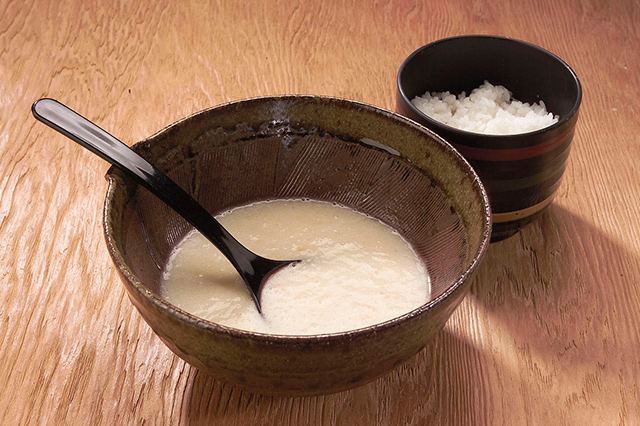
The dish with a thick taste in the bowl. Akita-dou is made from a rice bowl rather than from a long potato. The palm is usually a "swift" circulation and is characterized by a round, black look, as if it were a conch, and a soft, white, sticky substance. In Akita, instead of rice, it was easy to grow when there was no competition with rice farming, and especially in the big city. Even if it has been a matter of long-term attention to nutritious food, it is believed that magic can be used, and there is no doubt the practice of eating it at New Year's Eve. In some areas, it is the morning of two or three days. In the Yuyu district, we have the custom of putting the cord between the doors of our house and hoping for a disease-free disaster. And in some areas, the next day of the celebration, they will eat the meat so that the family can meet the occasion, and the meat is considered to be a happy occasion.
When It Is Eaten
Three New Year's Day and the day after the celebration.
How It Is Eaten
Put water and boiling, root cloth in the pot, and soak it firmly. I'll put it on fire and add a sieve, but I'll make some soup and then add some more sauce. I'm going to add some soup. They cook freshly, and then they scatter on onions as they like.
Recipe
Ingredients
- 500 g 長芋またはやまのいも
- 10 niboshi (dried sardines)
- 5 kelp (konbu)
- 1/2 packets bonito flakes
- 230 g miso
Method
- Cooking, root cloths are placed in a pot from the previous day and soaked in with water.
- She peels it clean and drops it down.
- I'll put in a boiling pot, a boiling pot, two minutes, and two minutes, and then I'll take out a bar, a cloth, and a stew, and I'll put in a bowl, and I'll make a thick sauce and cool it.
- I'll stir the three into three pieces, then look at the shape and taste, and then I'll make it.
Dish data: Ministry of Agriculture, Forestry and Fisheries (MAFF), “Uchi no Kyodo Ryori” (Our Regional Cuisines) database, used under the Public Data License (PDL1.0); translated and adapted from the Japanese original.