Okiagari 沖あがり
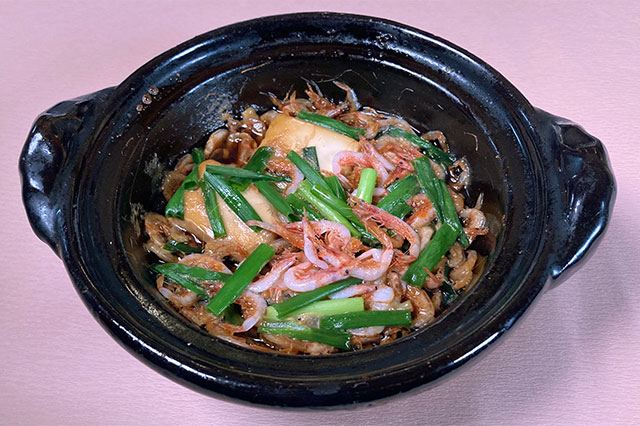
| Prefecture | Shizuoka (静岡県) |
|---|---|
| Region | Chubu |
| Japanese name | 沖あがり(おきあがり) |
| Reading | Okiagari |
| Main ingredients | It's a little bit of a trick, but it's a lot of fun. |
History and Origins
Sakura fishing started in the year Iseshima 27 because of the accident of the cherry shrimp in Age's fishing rope fishing. The fishing season is limited to two times a year for protection of the cherry shrimp, and spring fishing is in mid- March and early June, and fall fishing is in late October and late December. Okinawa is a dish prepared with raw cherry shrimp cooked with tofu and cucumbers. The cherry fish fish fish fishmen from the sea came up from the sea to think about their fishing while they were eating the dishes. It's a fisherman's job. (Applause)
When It Is Eaten
It's made at home throughout the year because raw cherry shrimp are available during the cherry shrimp season, and other ones because they can be bought year-to- year, rice and frozen cherry shrimp.
How It Is Eaten
In plain dishes such as clay pot, add oil, sugar, Japanese wine, cook it, boil it, and boil it with cherry shrimps and cut tofu until it is cooked in the middle. Just before we get down from the fire, add a cut of leaves to the four centimeters and then stop the fire when you boil it. When using frozen cherry shrimp, it is recommended to use natural freezing.
Recipe — Serves 4
Ingredients
- 150 g shrimp
- 1 blocks–1½(300–500 g) tofu
- 1 bunches leaf green onion
- Mix: 4 tbsp soy sauce
- Mix: 4 tbsp sugar
- Mix: 5 tbsp sake
- Mix: 1/4 cups water
Method
- The cherry shrimp should be washed and kept warm.
- Put a bowl in the pot and cook it on fire and cook it for 1.
- The tofu is cut big and add two to it, and cook until it is stirred with a medium.
- Just before coming out of the fire, add a slice of leaves on a three-inch cube and boil it all together.
Dish data: Ministry of Agriculture, Forestry and Fisheries (MAFF), “Uchi no Kyodo Ryori” (Our Regional Cuisines) database, used under the Public Data License (PDL1.0); translated and adapted from the Japanese original.