Kurozukuri 黒づくり
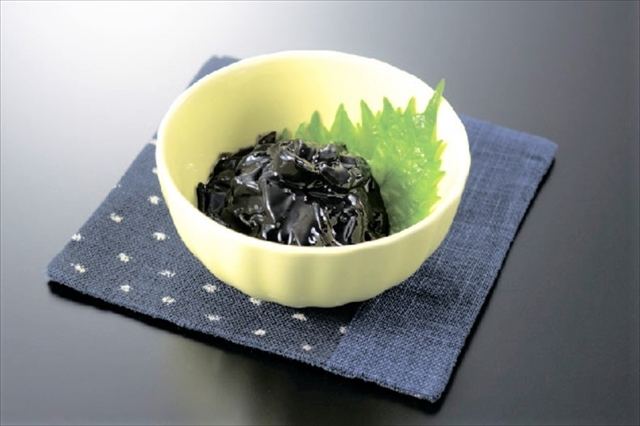
| Prefecture | Toyama (富山県) |
|---|---|
| Region | Chubu |
| Japanese name | 黒づくり(くろづくり) |
| Reading | Kurozukuri |
| Home area | All within the province. |
| Main ingredients | I'm a little nervous. I'm a little nervous. |
History and Origins
It's a kind of salt that cut the sulmica into fine pieces and matured with the cucumbers. It's a rare taste that many people are surprised by the unique appearance of black and shining. The document says that Kasuke Kasuke donated it to the General's house during the shift to the service, and it shows that it was an ancient masterpiece. The sea cucumber is rich in glytamine and turpentine, which are a good ingredient. It is said to be deeper and more fragile than the common salt called "red making." It's also remarkable that the salt taste is mild and mild. There are many ways to eat, including taking a drink, eating food, and filling tea. The sulmica used is mainly washed by the sequester net in ice fishing and in the port of Shinji. On the other hand, there's a "Hurtarkfish Black Making" made from the Hotarikas in Toyama Bay, and a mature silkworm from the Hotarika is quite popular, too.
When It Is Eaten
Many homes are kept in the refrigerator because they are eaten annually as a substitute for liquor and rice.
How It Is Eaten
The squid's body peels, salts it, and goes to the refrigerator. (The gross also has salt on both sides and stays in the refrigerator overnight.) The body is cut in pieces. Gross takes the salt, cuts the bag, and strikes the contents with a knife often. If you have a good feeling about yourself, you can add a cucumber and mature it in the refrigerator. I stir once a day.
Recipe — Serves 4
Ingredients
- 1 cups Japanese flying squid
- 100 g– salt
Method
- I'll get a slmeka and remove the geso. I'll keep the skin clean. Wata and ink bags are taken out and kept.
- I put a lot of salt in the wata and put it in trays and sleep in the refrigerator overnight. I also add a little salt to my body and save it without making a good wind or rap in the refrigerator. The ink bag is stored by wrap in the refrigerator.
- If I sleep overnight, I'll cut myself into a short book about five millimeters wide.
- We're gonna wash up the wata salt and put it in the bowl. Pull out the smudge from the ink bag and place it in the same bowl and mix the wata with spoons and so on.
- I cut it, mixed it up better, put it together again in the refrigerator for one night, and finished.
Dish data: Ministry of Agriculture, Forestry and Fisheries (MAFF), “Uchi no Kyodo Ryori” (Our Regional Cuisines) database, used under the Public Data License (PDL1.0); translated and adapted from the Japanese original.