Kobujime 昆布〆
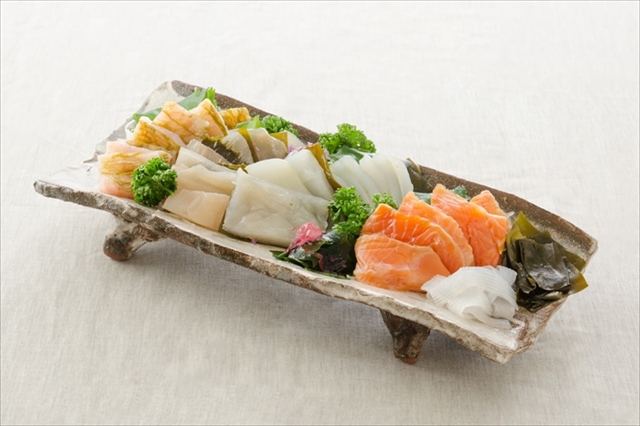
| Prefecture | Toyama (富山県) |
|---|---|
| Region | Chubu |
| Japanese name | 昆布〆(こぶじめ) |
| Reading | Kobujime |
| Home area | All within the province. |
| Main ingredients | I mean, I'm not sure if it's possible. |
History and Origins
Snacks were a means of storing raw fish when there was no refrigerator, but fish that had been soaked in the water became more tasty and developed more elastic energy, and so on. Most of the cloth used for cooking with XToyama Prefecture, including XHokkaido, is made from a shell from Hokkaido. It is said that many of the Toyama Prefecture people who emigrated to Hokkaido during the Meiji period and for pioneering were living in the Miyaji area and that they sent their town's special item, mulch, to relatives in Mount Fuji, and so on. "The fish used for the fish of the Sakura are the casserole, which is the custom for the people of Toyama Prefecture, but besides that, they are also used in white fish such as Thailand and Hennji and other white shrimps from Toyama. The clavicles of the shrimp are also served as food approved by the province.
When It Is Eaten
There are few ingredients available, and there are not many difficulties, and it is usually a dish on the table, but it is often acted upon as a gift for the day of the Hare or for the guests.
How It Is Eaten
The vinegar is applied to one side of the cloth. We can put a piece of fish on that surface and put a piece of pepper on it. On top of that, after you put the fish, you can put the same size cloth. To make sure that the cloth and fish stick tight, hold them from above the lap, light heavy stones, and keep them overnight. Depending on the length of the time you sleep, taste and your body's elasticity may be different. The cloth used in the sashimi can be used as a reusion for boiling and boiling. Although fish used to be regular, so also is the popular Japanese haiku that allowed them to live on such mountain vegetables as bamboo, green vegetables, and walra. When using Yamanashi, I use it after I pull out the garlic tightly.
Recipe — Serves 1
Ingredients
- 2 バイ貝
- 1 kelp (konbu) (kelp (konbu))
- a pinch salt
- Water: 1 tsp vinegar
- Water: 200 ml water
Method
- Break open the shell of a clam with the knife's back and pull out.
- I'm gonna turn on the salt, wash the wash, and remove the nemely and the trash.
- Clean up the water and cut it to size that's easily eaten.
- A cloth covered with vinegar water can be used to wipe the surface of the cloth lightly. I'll dry the surface while stretching the sieve. Use of vinegar water will make you more familiar with the food.
- We can place cut shells on a spread cloth and put them on top of it.
- I'll wrap the whole cloth in a wrap. I sleep in the fridge all night. The amount of time that is cut by the thickness of the meal is different. If it's thin, we'll finish it in two or three hours.
More About Kobujime
The dish is made of cloth, and the dish is cooked and cooked in refrigerators for about a night. It's used mainly in fish stings, but it also has a seam of green vegetables, vegetables, tofu, beef, and so on.
Overview
It is originally a native dish of Toyama Prefecture and Ishikawa Prefecture. Toyama Prefecture uses much of the cloth sent from Hokkaido in the northern pre-Edo, and one of the ways it uses it is to use it. When the water in the stinger's body is sucked into the cloth, it feels stiff and the flavor of the cloth is transferred to the stamen, thus making it a different taste from the original sashimi. This has had a few days of quick stab wounds, and it has been valued since before the refrigerator was introduced.
And in Mount Fuji, it is said that the taste of fat fish is difficult to taste when it comes to red fish, such as boi, squid, sweet shrimp, and hot squid. In Toyama, one of the variations is that of a white shrimp striped with a rag cloth. Since soft fish with too much water and soft meat like "Yagusapa" (in the Sapaagawa River) will make meat tender, and fish with extremely pale or out of season will make up for the flavor, those fish will taste better than the stabs. Sometimes it's wrapped in cloth to make this food taste even better.
Besides being made at home or served in a restaurant, fish shops and supermarkets have a pewter-sharp knot that is sold as well as a knife. Productation as a processed food for sale begins in 1973 with the arrival of the Tsu City. Since later on Toyama City's husband and fifty thousand stones were sold in a restaurant, the country's reputation has increased.
(If you pull the silk when you eat it, you may pull the thread, but this is not always true if you think the mutin from the fusil is melting, and it's not necessarily corrupt.) The cloth is soft enough to absorb water from the stinger and can be used as food.
Those that shake salt can be eaten just as they can to allow the salt from the silica to pass into the stabs. Eat things that don't shake salt with salt, which you like to put on soy sauce.
How?
Kansai-like method.
Put it on top of a knife (even with a knife) and wave the salt lightly, then leave it for about 30 minutes before drying the water on the surface. I'll put vinegar in the Cooking Paper and wipe the surface of the cloth. (You may scatter the pepper by your choice, with the knife arranged uniformly on the cloth.) Put the cloth on top. If you wrap it in a rap and sleep in the refrigerator for a day or two, it will be done. When cutting, adjust the thickness according to the pressure.
Text adapted and translated from the Japanese Wikipedia article 昆布締め by its contributors, licensed CC BY-SA 4.0.
Dish data: Ministry of Agriculture, Forestry and Fisheries (MAFF), “Uchi no Kyodo Ryori” (Our Regional Cuisines) database, used under the Public Data License (PDL1.0); translated and adapted from the Japanese original.