Ōtoshinogottsuo 大歳のごっつぉ
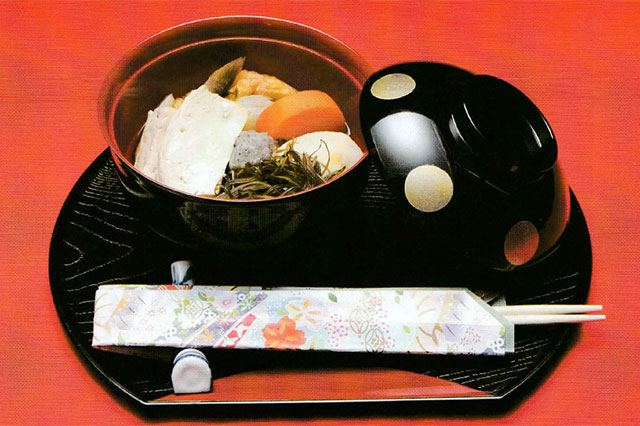
| Prefecture | Gifu (岐阜県) |
|---|---|
| Region | Chubu |
| Japanese name | 大歳のごっつぉ(おおとしのごっつぉ) |
| Reading | Ōtoshinogottsuo |
| Home area | Central, eastern, and central |
| Main ingredients | And I'm going to show you some of the things that I've been doing. |
History and Origins
The "Big Age" that has been eaten in a wide range of Gifu Prefectures from New Year's Eve on the 31st of December 31st to New Year's Day is known by various names, such as "Ginnji" and "Yuji." New Year's I was resting my kitchen utensils, utensils, and other items, and my family was resting in a large pot at one time, making lots of big-time shoes and eating them. The raw vegetables, such as radishes and carrots, are popular, but every community and household has different cooking vegetables, their cuttings, and so on. However, in every region there is always a "stab cloth," and from which there is a wish, "I can live a long life" and so forth. Once upon a time, when there wasn't such a cooked meal, we were told that this dish was delicious, that we were grateful for the safety of our year, that we had a good year to welcome it, and that we had been eaten by the god Buddha.
When It Is Eaten
Of course, New Year's Day 3 is a big dish made on December 31st and so on. The Great Year-year-old New Year's Day will still be known as an essential dish for the year's end.
How It Is Eaten
Depending on the homes and their land, the tools they have are different, but they are cooked with flavored ingredients, such as radishes, carrots, lily potatoes, and so on. In some areas, the smoke from the burning is said to ward off the bad things for a year, and there are places to eat with the good dry.
Recipe — Serves 4
Ingredients
- 200 g daikon radish (乱切り)
- 60 g carrot (乱切り)
- 40 g burdock root (拍子切り)
- 80 g taro (乱切り)
- 60 g konnyaku block (乱切り)
- 20 g aburaage (fried tofu pouch) (大きめ)
- 12 g kelp (konbu)
- 80 g firm tofu (大きめの長方形)
- 10 g niboshi (dried sardines)
- 480 g water
- 20 g soy sauce
- 8 g sake
- 8 g mirin
Method
- I'll leave the board in the pot and we'll boil it and water it to finish.
- It's in a pot, and it's in a pot, and it's spread out, and it's spread out, and it's in a root, a carrot, a pan, and then it's in a pan, and it's in a pan, and it's in a pan, and it's in a pan, and it's in a pan, and it's in a pan, and it's in a bowl, and it's in a bowl, and it's in a bowl, and it's in a bowl, and it's in a bowl, and it's in a bowl, and it's in a bowl, and it's in a bowl, and it's in a bowl, and it's in a bowl, and it's in a bowl, and it's in a bowl, and it's a bowl, and then it's in a bowl, and it's like a bowl, it's like oil, it's like oil, it's like oil, it's like oil, add oil, add oil, add oil, oil, oil, oil, oil, oil, oil
- I'll spread the tofu on top of the cloth and cook it with flavor.
More About Ōtoshinogottsuo
Great-year-olds are native dishes from the Gifu Prefecture, in the middle of Tohoku, in Tohoku, and Kanji. Some areas call it "year-old cooking" and "year-old stew" and so on. It's still made at home at the end of the year, and it's also served at school. It's recognized as the 100-year-old food department of the Cultural Organization.
Overview
During the New Year's season, we rest from kitchen cooking, and our families rest together on December 31st. There are variations in cooking methods, such as local and domestic equipment, but stringing is always there, and it comes from the wish "can live long and long." We are told that we are grateful for the safety of the year and that we have been given to the god Buddha for the good year to come.
Origin of Name
"Ouji, big old man" is "a big old man." "Big Age" is a word meaning December 31st in the city of Gifu Prefecture Shigeru.
Text adapted and translated from the Japanese Wikipedia article 大歳のごっつぉ by its contributors, licensed CC BY-SA 4.0.
Dish data: Ministry of Agriculture, Forestry and Fisheries (MAFF), “Uchi no Kyodo Ryori” (Our Regional Cuisines) database, used under the Public Data License (PDL1.0); translated and adapted from the Japanese original.