Misodaregyōza 味噌だれ餃子
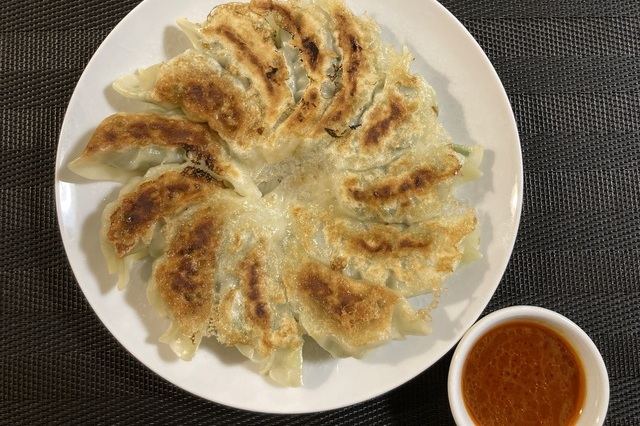
| Prefecture | Hyogo (兵庫県) |
|---|---|
| Region | Kinki |
| Japanese name | 味噌だれ餃子(みそだれぎょうざ) |
| Reading | Misodaregyōza |
| Home area | Kobe City |
| Main ingredients | We've got pork, beef, cabbage, cabbage, nimbles, onions. |
History and Origins
The Japanese Japanese eat Japanese rice with rice, soy sauce, or lasso sauce. But in Kobe, the Japanese eat Japanese rice with a taste-based tip. Before World War II, Japanese people living in Manchuria were fond of Japanese rice, not rice, which the Chinese ate at that time. I hear that many families ate with a taste of the Japanese Japanese Japanese food because of their sense of humor. After the war, a man from Manchuria opened the dining room at the opening of a Kobe City camp, served the rice bowl, became a topic of conversation among the drawers, and spread in other restaurants. A store called the founder of the seasoning of the Japanese Japanese Japanese Japanese festival, where the Japanese have a hidden taste in the Kando Pok, and they add the original taste of the shop. In the year 2014, I was chosen to be the "Five Stars" state' (a product with both the regional and the new range of the Five Lands).
When It Is Eaten
It's said that the season of the meats of materials is delicious because of winter vegetables and especially in winter. In addition to cooking rice at home and eating it with a blend of flavored characters, there are also Japanese and Chinese restaurants in the city, so they can be eaten on the rice. Throughout the year, even if it's not a daily meal, it's easily eaten.
How It Is Eaten
I'm going to taste the baked rice and eat it. Tastes are made with sweets, sugar, soy sauce, wine, la oil, garlic oil, vinegar and so on.
Recipe — Serves 4
Ingredients
- 20 餃子 (焼き餃子)
- 3 tbsp miso
- 3 tbsp soy sauce
- 3 tbsp vinegar
- 3 tsp sugar
- 3 tsp oil
Method
- Mix the taste buds, the yu, the vinegar, sugar, and the lasso to make a taste dandelion.
- I'm going to cook the rice, put on a tastey sauce, and eat it.
Dish data: Ministry of Agriculture, Forestry and Fisheries (MAFF), “Uchi no Kyodo Ryori” (Our Regional Cuisines) database, used under the Public Data License (PDL1.0); translated and adapted from the Japanese original.