Home / Hiroshima / Ebikomakizushi
Ebikomakizushi えび粉
| Prefecture | Hiroshima (広島県) |
|---|---|
| Region | Chugoku |
| Japanese name | えび粉/巻き寿司(えびこ/まきずし) |
| Reading | Ebikomakizushi |
| Home area | Followed City |
| Main ingredients | It's a lot of sugar. It's a lot of sugar. |
History and Origins
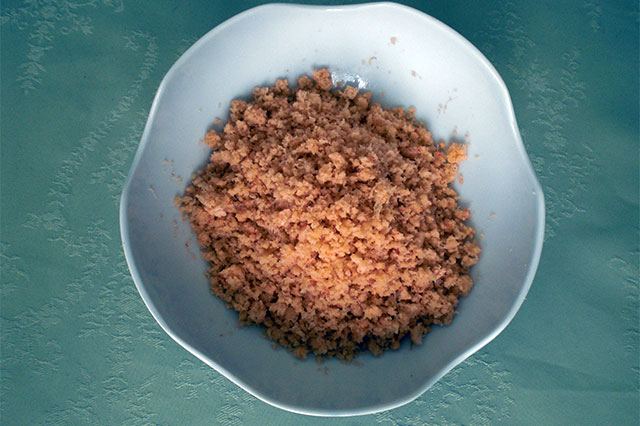
The "snap powder" is a small boiled shrimp that is chopped with a knife to make it fine and sweet with sugar, garlic, and wine. It's not a knife, it's sometimes a bowl. I used to make many things at home. It's called "malicious." It is often used mainly for sushi. The "smushi" in this area is wrapped in rice with roasters, flour, eggs, baked onions, or three leaves in them. There are other things that sushi can offer in law enforcement and celebrations.
When It Is Eaten
It's used mainly in sushi food. In addition to sushi, there are some things that are associated with sushi. There are very few things made at home now, but it's available on the market so you can get it for the year after year.
How It Is Eaten
The "snap powder" was used to beat the little boiled shrimp into pieces with a knife and sweetened with sugar, garlic, and wine. I'll try not to get too far in passing through the fire. Sometimes it's not a knife, but a bowl. "Smushi" will be rolled in rice with baked rice, flour, eggs, tassels, onions, or three leaves in a bowl. "Snap powder" is also used for sushi, box sushi, sushi, and so on.
Recipe
Ingredients
- 1 kg shrimp
- 1/2 cups sake
- 1/2 cups sugar
- 1/5 tsp salt
Method
- The peppers are quickly boiled up and peeled.
- Add wine, sugar and salt while placing on the bowl.
- Put your hands in a pot with thick hands, stir it with a bow, and make sure you don't hang.
Dish data: Ministry of Agriculture, Forestry and Fisheries (MAFF), “Uchi no Kyodo Ryori” (Our Regional Cuisines) database, used under the Public Data License (PDL1.0); translated and adapted from the Japanese original.