47 16 ナーベーラーンブシー
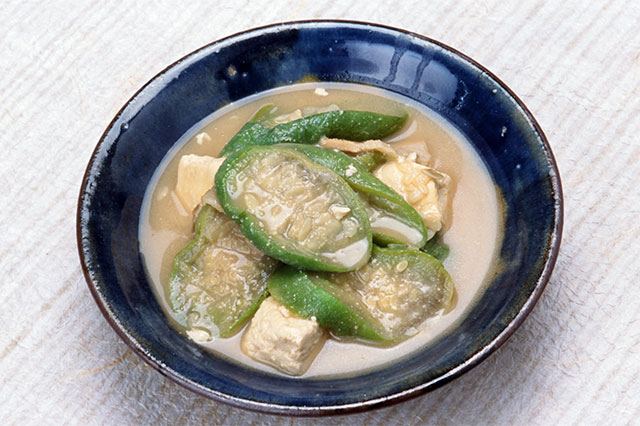
| Prefecture | Okinawa (沖縄県) |
|---|---|
| Region | Kyushu & Okinawa |
| Japanese name | ナーベーラーンブシー |
| Home area | All within the province. |
| Main ingredients | Hecima |
History and Origins
Naveler's is a piece of junk, so "nbsy" is a middle-class dish of soup and soup that boils tofu and vegetables and pork. It's the summer class of the next summer for Goyer, and the most Japanese-sized place in the center of the main island and in the south. Outside the province, there is an image of a camel as a camel, but in Okinawa it uses a soft, young hexoma, which is used as a vegetable with a simple sweet and soft mouth. It's a trick to make a "Nebbel Lanbice" boil in the middle of a medium fire, and then the sweet yuzu shigi comes out and prepares for the exquisite flavor. The big guy is a friendly food item, used as a food for lye and curry.
When It Is Eaten
Hecima is harvested in early April and late September, so then "Naveveradbose" will be made and eaten.
How It Is Eaten
The hechima is to peel off the skin and cut it in half. Three pigs are thin and cut into small pieces, and they are wrapped together. We can heat lard in the pot, roast himchoma, add three pigs to the pot and cook more. I'm going to put a pig and a big, ripped island tofu in. When hecima becomes soft and comes out of the thick sweet juice, it's finished.
Recipe — Serves 4
Ingredients
- 600 g hecima
- 100 g pork belly
- 1 tbsp1/2 oil
- 3 tbsp red miso
- 1 tbsp1/2 sugar
- 1/2 tbsp mirin
Method
- Hetima will strip the skin and cut it into 7-millimeter rings.
- Three pigs will be boiled and cut into a single slice.
- I'll keep the taste buds, sugars, and garlic together.
- Hot oil in the pot, roast three pigs, put a hechma in it, and cook it to make the oil spin. I'll make the fire weak and roast it slowly so that the soup comes out.
- Put three in and finish it by making the whole thing taste good.
Dish data: Ministry of Agriculture, Forestry and Fisheries (MAFF), “Uchi no Kyodo Ryori” (Our Regional Cuisines) database, used under the Public Data License (PDL1.0); translated and adapted from the Japanese original.