47 24 ンムクジプットゥルー
| Prefecture | Okinawa (沖縄県) |
|---|---|
| Region | Kyushu & Okinawa |
| Japanese name | ンムクジプットゥルー |
| Home area | All within the province. |
| Main ingredients | Mushroom. |
History and Origins
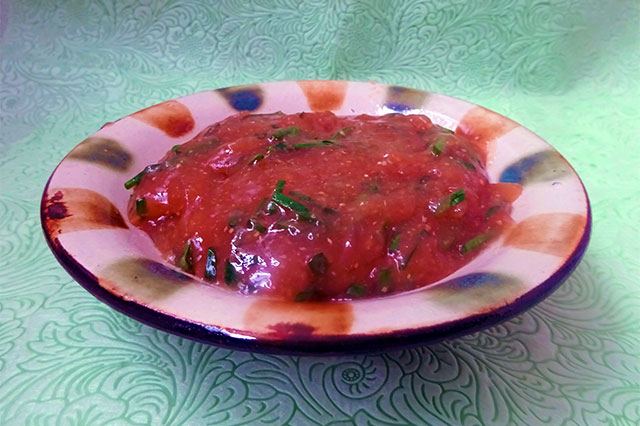
The "nmukjiptulu" was boiled and boiled in water. "Putulu" means a state in which the starch is so rich and finished. "Numm" is a word that means "sun." For 1605 years. The fact that the Nobashi Tzu brought the rice from China led to the potato growing and saved the starving as a fuel for the famine. The potato scraps from Imo and the "mmukji" were being provided at home, and as part of the dish that was used, "mmmukjiptulu" was born. I was eaten with no nila in the sugar. There are other dishes that have been made with nmukji, and known as "mum cangji" and "kmgji" that have been fried with oil and crushed. The "nmokji" has been used since the days of the dynasty, and it is now the popular sweets of the common people.
When It Is Eaten
I've been eaten as a everyday easy-to-man. It is also said that Okinawa Prefecture was made from typhoons and was also made for emergency meals during typhoon time.
How It Is Eaten
It's a good mix. And then add a small piece of chicken, a finely carved chili biblinilla, and mix it together. Put a lot of lard in the frying pan, put it in the fire, and mix it with a nmkzi dough. If the whole thing starts to appear, I'll turn off the fire and I'll take it while it's hot. Sometimes I put black sugar in it without putting Nilaa in it, and I finish it lightly.
Recipe — Serves 4
Ingredients
- 1 cups 芋くず
- 11/2 cups bonito dashi stock
- 1 tbsp1/2 red miso
- 2 tbsp oil
- garlic chives, to taste
Method
- It's also a red pepper. It's a good thing.
- Nilaa is cut in pieces.
- Put the bowl in a piece of potato, add 1, mix well, and add Nilaa.
- Heat the oil into the pan and stir three in a strong fire. When the fire starts passing through, it forms a mass, and if you continue to mix it up and mix it up, it will form in one place, and when it comes out, it will be produced.
Dish data: Ministry of Agriculture, Forestry and Fisheries (MAFF), “Uchi no Kyodo Ryori” (Our Regional Cuisines) database, used under the Public Data License (PDL1.0); translated and adapted from the Japanese original.