Home / Kagoshima / Gane (Kyushu food)
Gane (Kyushu food) がね
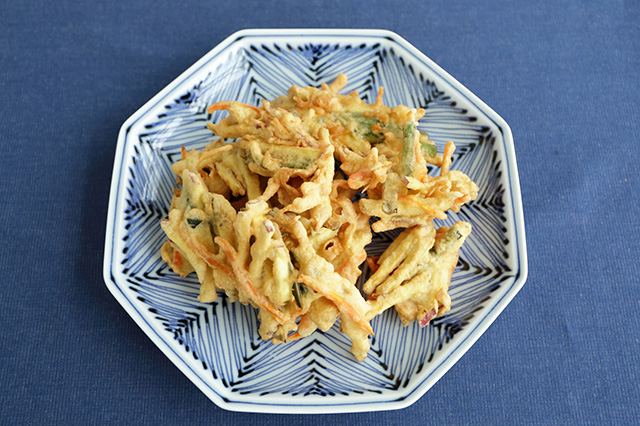
| Prefecture | Kagoshima (鹿児島県) |
|---|---|
| Region | Kyushu & Okinawa |
| Japanese name | がね |
| Home area | All within the province. |
| Main ingredients | It's a very simple process. |
History and Origins
"Stretch" is a local dish made from a local dish that is known throughout the country as a special product of Kagoshima Prefecture. It's the most popular product in the country. Kagoshima Prefecture is a mild climate, but most of it is very well watered on the Shissa Plateau, except Mount Mkashima, and it is easy to damage crops that we have grown since the typhoons were frequent. From that background, there has been a strong rooting for Kagoshima Prefecture, which is a poor soil that grows easily and is difficult to grow in the ground. There are stories about the plywoods, but it is said that in 1698, Kotoshima Master's Seedshima hosted his servants to take back their snacks and then, in 1705, Akita right guard, who was a sailor in the mountain, planted the hooks in his fields and distributed them to his neighbors, and spread them throughout the Kagoshima Prefecture. Since the harvest was high and was ideal for food for the poor, there was a time when it was called Takashi Takashi. Black pigs, the same Kagoshima Prefecture product, are known to be grown with a mixture of hooks in their diets, and so is the potato, which is derived from the Kagoshima Prefecture, which is an important food item supporting the food culture of Kagoshima Prefecture. So in Kagoshima Prefecture there is a large number of native dishes with a plywood. One of them is "stir." A "stuff" is a dish where you cut vegetables into pieces and dress them. This name came from its resemblance to the Sakura speaking on the Kagoshima dialect. There are many sugars and sweet flavors that are characteristic of local ingredients and clothing.
When It Is Eaten
You can eat it through the year. Oh, you're being eaten as a cup of tea and children and as a bottle of wine. Besides that, they are also behaved at the annual wedding feasts, such as New Year's Cook and the funeral.
How It Is Eaten
The carrots are cut into slices of fat, the nilas cut into slices as long as the carrots. Add flour, rice flour, sugar, eggs, thin-mouthed oil, salt, and water, and mix until your clothes feel like they're stuck on your clothing. We're going to use 170 degrees oil to make ourselves look like the crabs on the rice paddy. The point is to release the tools with oil with the vegetable chopsticks as they spread out. The flavors in vegetables and clothing are different from the flavors used in different areas and homes and in addition to the hooks. In some areas, they use powdered powders on their clothes or black sugar to make sweet.
Recipe
Ingredients
- 200 g sweet potato
- 50 g carrot
- 30 g garlic chives
- 100 g wheat flour
- 50 g glutinous rice flour
- 40 g sugar
- 1 egg
- 1.5 tbsp light soy sauce
- [衣]塩 ふたつまみ
- 80 ml water
- oil, to taste
Method
- (The tadpole will skin thinly and leave skin on top of the skin) and make a fine cut 5mm angle of 5mm. You have to put water on the bowl and open it so that the hooks are completely immersed. The carrots are thin and peeled and cut into two-inch cubes shorter than the talons. Nilaa cuts to the length of seven centimeters.
- I'll mix the bowl until it feels like the clothes are stuck on the cloth while adding a part of the bowl other than 1 and water.
- Put the oil in the pan to be more than three centimeters deep, and heat it to 170 degrees.
- We can do it with a tin can and then we can do it on a vertical side like a crab. You drop it in a pot like you press it on the other side with a vegetarian chopsticks, and in a couple of minutes, it turns over, and it smells sweet, and the whole thing goes up when it's all tingling. If you spread the kitchen paper on the bat, you'll have a piece of oil.
More About Gane (Kyushu food)
Gane (がね) is a traditional sweet potato dish eaten in the Kyushu region of Japan, particularly in Kagoshima and Kumamoto.
Overview
Gane (がね) is a traditional regional dish from Kyushu, particularly in Kagoshima and surrounding areas, made primarily with sweet potatoes, a specialty crop of the region. It consists of thickly julienned sweet potatoes and other vegetables coated in batter and deep-fried. The name gane comes from the Kagoshima dialect word for "crab," as the shape of the dish resembles crab legs. It is typically seasoned with a generous amount of sugar, giving it a distinctive sweetness. The specific vegetables used and the composition of the batter vary by region and household.
In some areas, buckwheat flour is used in the batter, and brown sugar may be added for sweetness. The dish is eaten year-round in Kyushu and is enjoyed as a side dish, snack with tea, children's treat, or accompaniment to alcoholic drinks. It also appears during seasonal events and ceremonial occasions, such as New Year's celebrations and funerals.
Kagoshima, which has the highest sweet potato production in Japan, offers an ideal climate for cultivation. Although it has a warm environment, much of the land consists of porous volcanic soil from the Shirasu Plateau, which drains quickly. Additionally, the frequent typhoons pose a challenge to agriculture. Sweet potatoes, which grow underground and tolerate poor soil, became deeply rooted in the region's agricultural practices for their resilience and adaptability.
History
One theory traces the introduction of sweet potatoes to 1698, when Tanegashima Hisamoto (種子島久基), the lord of Tanegashima Island, sent an emissary to the Ryukyu Kingdom and brought them back. In 1705, Maeda Riemon (前田利右衛門), a sailor from Yamakawa, is said to have cultivated sweet potatoes in his field and distributed them to neighbors, leading to their spread throughout Kagoshima. However, this origin story remains uncertain.
Due to their high yield and suitability as a staple for the poor, sweet potatoes were once called "kōkō-imo" (孝行芋, "filial piety potatoes"). They also became closely associated with other Kagoshima specialties—Kurobuta pork, for example, is raised on feed that includes sweet potatoes, and Imo Shochu (芋焼酎), a distilled spirit made from sweet potatoes, is another iconic product of the region. It can be said that sweet potatoes are central to Kagoshima's culinary culture, and Gane is one of many traditional dishes that reflect this connection.
Text adapted from the English Wikipedia article Gane (Kyushu food) by its contributors, licensed CC BY-SA 4.0.
Dish data: Ministry of Agriculture, Forestry and Fisheries (MAFF), “Uchi no Kyodo Ryori” (Our Regional Cuisines) database, used under the Public Data License (PDL1.0); translated and adapted from the Japanese original.