Keihan 鶏飯
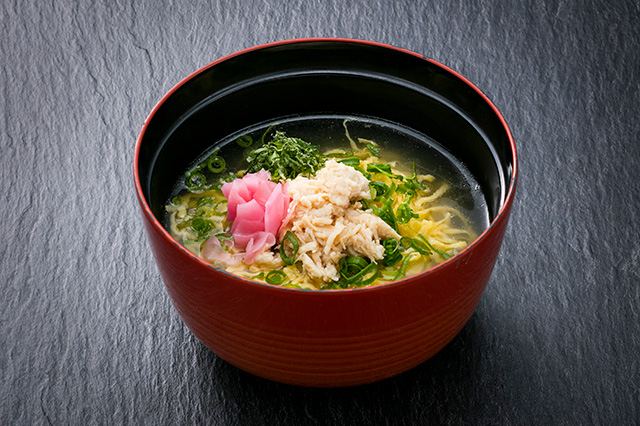
| Prefecture | Kagoshima (鹿児島県) |
|---|---|
| Region | Kyushu & Okinawa |
| Japanese name | 鶏飯(けいはん) |
| Reading | Keihan |
| Home area | I'll be back in a minute. |
| Main ingredients | I've got rice, chicken, dried chicken, eggs, papay-yeon, onions, cane-skins, |
History and Origins
The chicken is a local dish that represents the Kofu region. It is said that at the time when the island was under the control of Akishima, it began to be designed to alleviate any oppression of officials from Kagoshima's mainland. It's said that in those days, hens were entertained by officials with chicken food, which was so valuable. I didn't have the custom of cooking soup at this time, but I was eating it in chicken soup. The ovens that we eat with chicken soup after entering the Shoichi festival have passed through and now it is common.
When It Is Eaten
It's been eaten often throughout the year. It's often eaten in celebration and hospitality.
How It Is Eaten
If you put water in a pot, chicken or chicken, pepper in a fire, and you put it in a bowl, then you can boil it. When the chicken is cooked, I'll rip it cold and fine, and then I'll boil the leftover juice into soup. Whenever you cut the cucumber, the eggs are made into silk eggs, and the eggs are made into rich silk eggs, they are put on a plate, as well as the "diy juiced papaya" and so on. When you're ready for rice, you eat it with the paint, the paint, and soup. At this time it is best to eat less rice, add more soup, and stir it up. The soup that has been firmly ground from the chicken bush, which has the flavor of the colagen, will be a very cocogen finish. When making it in a simple way at home, sometimes you use a protein from a chicken glass-pop.
Recipe — Serves 4
Ingredients
- 320 g rice
- 480 ml water
- 240 g chicken bones
- 800 ml water
- a pinch ginger (薄切り)
- 60 g chicken tenderloin
- Mix: a pinch salt
- Mix: 2 tsp sake
- Mix: 1 tbsp light soy sauce
- Mix: 2 tsp mirin
- 8 g dried shiitake mushrooms
- 80 ml shiitake soaking liquid
- Mix: 2 tsp light soy sauce
- Mix: 1 tsp mirin
- 2 egg
- Mix: a pinch sugar (refined white sugar)
- Mix: a pinch salt
- 80 g green beans
- a pinch salt
- 20 g leaf green onion
- 40 g パパイヤの味噌漬け
- a pinch mandarin peel
- a pinch roasted nori
Method
- Wash the dry dishes, wash them in water, and put them back in sauces, and use them as juice. Keep the rice half an hour before cooking and soak it in enough water. Chicken garlic wash well and remove the extras. Leaves, Papaya flavored, canned cans are cut into pieces and baked into pieces.
- Rice is usually cooked.
- Put a pot of water with a bowl of water, chicken garlic, and leather peppers on the fire.
- When you're getting rid of the ak, you'll boil it in a weak fire for about an hour, and then you'll boil it with chicken sauce.
- The chicken pox is taken out and torn apart, but the soup is made into soup and used as soup.
- Put B and dry dishes in the fire, cut them into pieces, and add the boiling sauce.
- I'll cut it into small pieces.
- Chickens, eggs, lentils, leafy leaves, papay juices, cane skin, and glue are placed in a plate.
- I'm sure you'll have a lot of five soups.
More About Keihan
Keihan (鶏飯, "chicken-rice") is a local dish of the Amami Islands, Kagoshima Prefecture in the south of Japan. It is generally cooked with chicken, and although the exact recipe can vary, it often includes ingredients such as egg, pickles, dried shiitake, orange peel, nori, soup stock and sake. It is a popular meal in Kagoshima Prefecture, and a standard school lunch menu.
The origin of Keihan rice is unclear. One theory is that it evolved from a local variant of takikomi gohan, in the town of Kasari in Amami Ōshima, but it is also possible that the dish was brought into Amami from the Japanese mainland. It is thought to date back at least as far as the Edo period (1600–1867); the lords of Kagoshima, the Shimazu clan, would often serve Keihan rice when entertaining government officials, and the recipe features in many contemporary cooking books.
Text adapted from the English Wikipedia article Keihan (dish) by its contributors, licensed CC BY-SA 4.0.
Dish data: Ministry of Agriculture, Forestry and Fisheries (MAFF), “Uchi no Kyodo Ryori” (Our Regional Cuisines) database, used under the Public Data License (PDL1.0); translated and adapted from the Japanese original.