Gosaizuke ごさい漬け
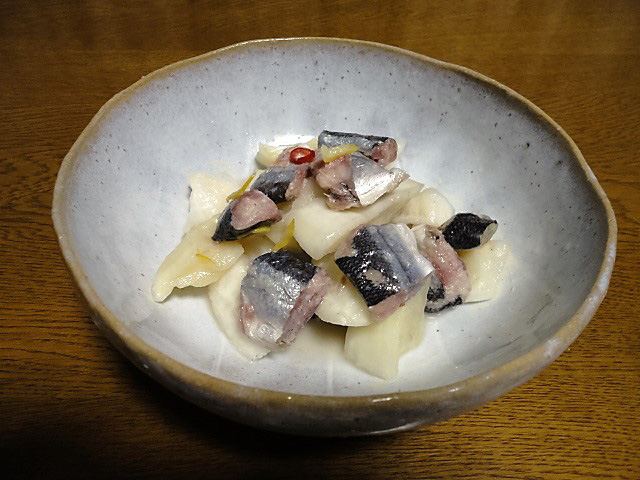
| Prefecture | Ibaraki (茨城県) |
|---|---|
| Region | Kanto |
| Japanese name | ごさい漬け(ごさいづけ) |
| Reading | Gosaizuke |
| Home area | Deer area, deer island, and Koda. |
| Main ingredients | Sanma, root. |
History and Origins
A deer island spread between the Chiba Prefecture doggy dog from the Ibaraki Prefecture baths is a fine fishing ground for dark tides. The postwar era was marked by a lot of harvests and home distributions in autumn. I've been salting and fermented with lots of fishing eagles since about November, and I've swallowed them with my root. "Smacking" was long loved as winter's native food and was an important source of protein for the common people. Its name is found in the 35th chapter of Toshishizaki's culture and in the word "sitting" in the word "sitting" and in the small, fat word "little," which is called "little" and it has changed into "little." There are also other theories that since my late wife is being swallowed up, she uses "back-wife" and five food products. Once homey tastes were made, and they were very popular, but in recent years fewer families have been making duffel because of the greater trouble and warming that they could not do with conventional recipes. Also, due to the decline in the water rise and the shape and poor looks, it is now made in Samma.
When It Is Eaten
In the past, the eagles were used, and especially those made of black and white eagles were considered delicious. With the decline of the eagle's fishing, it has become used as a Samma, and has been eaten as a winter food and food for the fresh Sammas from late November until February.
How It Is Eaten
Take the head and the stomach of Sanma, wash your stomach repeatedly in the water, wash your blood and fat thoroughly, and cut it into fifths of fourths. After two weeks to a month, you will dip salt in a barrel and then wash the Samma in water again and release blood and fat. After a half-moon cut in a small size, it will be swallowed in a series of turnsips of radishes and Sammas, red peppers, citrus juice and skin and salt. You'll save it in a cold or refrigerator, remove the water, and be able to eat it in two weeks. They say that they like to wash the finished "snack" once in water, remove the salt, and eat it with a small amount of soy sauce.
Recipe
Ingredients
- 20 Pacific saury
- 50 g salt
- 30–40 g salt
- 10 daikon radish
- 2 carrot
- 3 yuzu peel
- 5 chili pepper
Method
- Take the head and the entrails of Sanma and wash the blood in the water.
- The sanmas are not cut, they remain unscathed, they are salted and they will be packed for two weeks. There are ways to chop it up, but if you put it in a round salt, it will be more pleasing to finish it. (If the temperature is high, or if it is packed inside the room, store it in a refrigerator and wait for the extract)
- If you are moderately mild, after you have taken the water over and over again and washed it well, cut it into five pieces, and keep adding salt.
- The radish is cut, the carrots are short, the pepper is cut, and the silk is cut.
- The radishes and peppers are alternated, placed in barrels, and wrapped in heavy stones. It'll be cooked in about two weeks.
More About Gosaizuke
Snacking is a local dish from the Ibaraki Prefecture deer region. It's salted with the dacinus.
This is what they call me.
Overview
In the past, it was used by eagles, and especially by the small stuff made from the sooty eagle that was considered delicious. It was cheap fish, and at the time a bucket was sold at a price as good as free. By December each home was making a snack for New Year's.
Snacking was made by each family, and the ingredients and flavors used were also different. It's also said that "sucked on an eagle from a beach."
It's eaten as it is, but sometimes it's eaten by a taste of soy sauce, such as soy sauce.
More and more families are making far fewer snacks because of the difficulty of making them and because old-fashioned methods have not been adapted by warming.
Origin of Name
According to the book "The Culture of Tsukita" by Sakura 35, "a thought and process of making the word "stuff" comes from a small eagle with a low fat content called "little," it changes to "little."
There are other theories like the following.
My late wife used five "really-dressed" ingredients, which made it "five-colored" because of the fact that she gave her ex-wife's children a bad meal, but it was delicious, so it became popular.
Example of how to make
Take the head and the stomach of Sanma, wash them in the stomach, drop blood and fat, and cut them into fifths. Two weeks to a month, we'll pack the salt in a barrel. We'll wash the soaked Samma again in water and spill blood and fat. Cut into half-months, cut in half a quarter-month, and red pepper, and pepper, and pepper juices and leather from the peppers, and salt-salted, they are swallowed in a series of layers. Keeping in cold or in the refrigerator, removing water, and two weeks.
The point is that what's not fat is good. The fat oxidizes, making the taste worse. I'll leave my bones on the strike. If you pull out the bone, you will collapse when you dip it. Even so, the bones become soft by the time they are finished.
Text adapted and translated from the Japanese Wikipedia article ごさい漬け by its contributors, licensed CC BY-SA 4.0.
Dish data: Ministry of Agriculture, Forestry and Fisheries (MAFF), “Uchi no Kyodo Ryori” (Our Regional Cuisines) database, used under the Public Data License (PDL1.0); translated and adapted from the Japanese original.