Hamana Miso はまなみそ
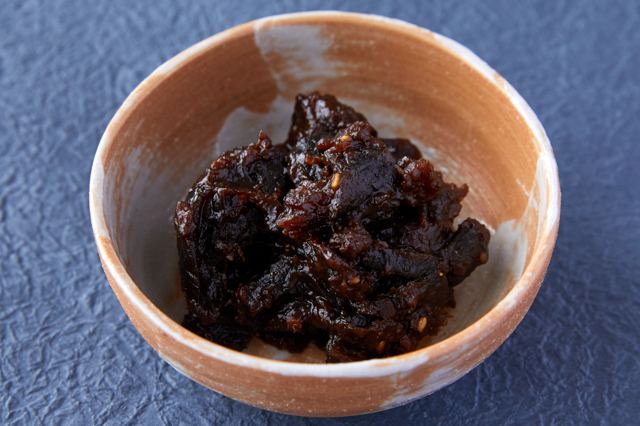
| Prefecture | Fukui (福井県) |
|---|---|
| Region | Chubu |
| Japanese name | はまなみそ |
| Home area | GUYNON |
| Main ingredients | I'll make you some rice. |
History and Origins
"The fresh meat" is a winter-reserved native dish. Add sweet wine from rice rice and add beans, oil, salt, fruit and so on. It is delicious and delicious. It was thought that in the past, during the New Year's Eve, he had acted as a homemade "sunfish" in his head.
When It Is Eaten
The season is from early October to late February. Since soybeans are the principal ingredients, they are stored as the source of valuable winter protein and are eaten during cold weather.
How It Is Eaten
Sweet wine made from hot water and citrus can be used to prevent the sour flavor in low cooking. I often mix cold sweet wines with steamed beans. You can use boiling water to cool the smell by pouring salt in a small cut, soaked in water, and salted up to the point where you feel comfortable. Add sweet wines, beans, and so on, and then you can mix the peppers with chopped, white, and peppers and mix them with heavy stones and mix them once a day. It'll be delicious in about 20 days. It's still popular today because it fits well with the wine bowl and the wine bowl. There are various uses, such as attaching them to sea horses and walnuts.
Recipe
Ingredients
- 1 rice koji
- 4 × 180 ml hot water
- 5 × 180 ml soy sauce
- 1 kg eggplant
- 1 cups shiso buds
- 2 tbsp しょうがみじん切り
- 3 tbsp white sesame seeds (toasted sesame seeds)
- a pinch chili pepper
Method
- I make sweet wine. If you figure out the hot water and stop it at about 70 degrees, it'll be mixed with citrus, which will keep you warm for five hours.
- I cook them in a weak fire. (To prevent acidity)
- Add soy sauce to the beans and mix them well.
- When it's cold, I put the beans in.
- We wash the salting and cut it into a slice of water and then salt it out. Just as much salt as you can spare.
- I'll pour boiling water on it to dry the smell and keep it cool.
- Wash the salt palm with the fruit. I mix sweet wines, beans, and so on, and so on.
- Put it in a container, light stones, and mix them together once a day. It'll be delicious in 20 days or so.
More About Hamana Miso
I'm sorry. I'm sorry.
It is a taste prepared with steamed soy sauce, flour, lentils, lentils, lentils, lentils, and lentils, as well as grain, ripe, ripe, and white-goma.
The beach-nuts made in the Shizuoka Prefecture beach pines are based on the model. It is said that the Tokugawas developed them as a war meal and that they preferred the Shogun Tokugawa, but when they first became masters, they brought in their food culture before they passed through and were said to have changed into winters that were designed for the well-being of Fukui.
Text adapted and translated from the Japanese Wikipedia article はまなみそ by its contributors, licensed CC BY-SA 4.0.
Dish data: Ministry of Agriculture, Forestry and Fisheries (MAFF), “Uchi no Kyodo Ryori” (Our Regional Cuisines) database, used under the Public Data License (PDL1.0); translated and adapted from the Japanese original.