Maruyakisaba 丸焼き鯖
| Prefecture | Fukui (福井県) |
|---|---|
| Region | Chubu |
| Japanese name | 丸焼き鯖(まるやきさば) |
| Reading | Maruyakisaba |
| Home area | Smaller Area |
| Main ingredients | Masaba |
History and Origins
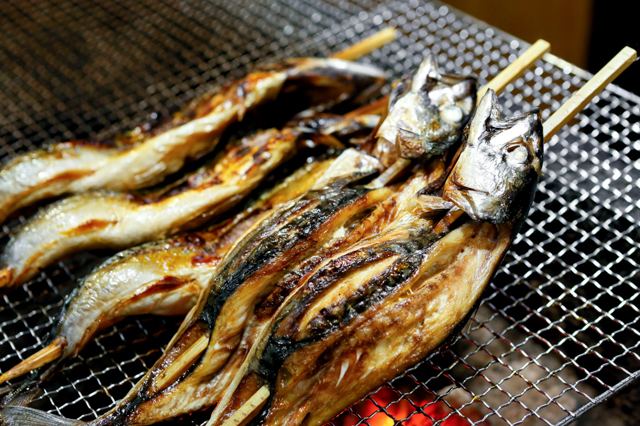
The younger regions were known as the Old Bird and Nara, and were recognized as the accepted "feet country" to provide food for the morning courts of the city. In particular, Sabas have a good taste of fat and carry fish on foot, passing through the Sudoku Road and many more were carried up to Kyoto. It is said that the salt to prevent corruption and that by the time Saabbas arrived at Kyoto, it had just become a good salt. From the time of the eating nation and from now on, sea goods young and young were considered "little" in the whole country. In a small area where so good abalone is harvested, the local dish that was stabbed to the bamboo and burned whole is "Kinjio." On what is called the 7nd day of July 2th and the 6th of summer in the area of Ono, in the northern part of the country, the custom of eating the rice is still present. There is a custom of passing citrus and yakis over to relatives in the small area (singing the day off after the spring planting). )
When It Is Eaten
It's a year in and out, but it's especially often eaten on July 2th, called the summer school.
How It Is Eaten
I will sew the masaba up and shape it into a single shape, and then I will sew it from head to tail. I'm careful about the fire, and I'll spend about 25 minutes on charcoal and cook it all over. In the younger regions it is common to eat with soy sauce. It's also used in cooking and cooking and so on.
Recipe — Serves 1
Ingredients
- 1(350 g) mackerel
- soy sauce, to taste
Method
- I'm going to sew masava into a back-end, shape one, and then put it in a knot from head to tail with a stamen.
- It takes 25 minutes of coal to cook.
- I'll eat with soy sauce or pepper.
Dish data: Ministry of Agriculture, Forestry and Fisheries (MAFF), “Uchi no Kyodo Ryori” (Our Regional Cuisines) database, used under the Public Data License (PDL1.0); translated and adapted from the Japanese original.