Itadaki いただき
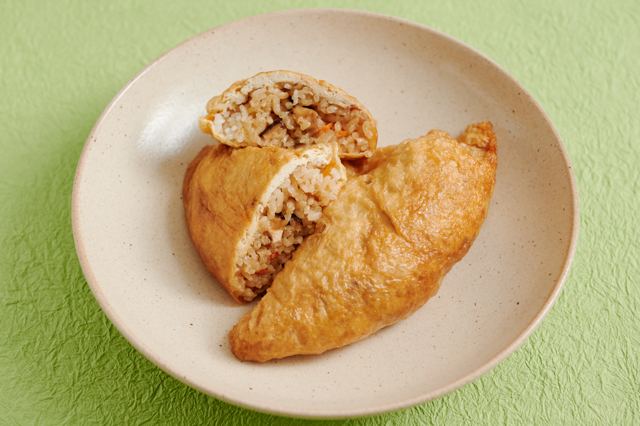
| Prefecture | Tottori (鳥取県) |
|---|---|
| Region | Chugoku |
| Japanese name | いただき |
| Home area | (Western region, bowsa beach, conching) |
| Main ingredients | You're going to have to do it with rice, trig oil, rice, rice, rice, potatoes, carrots, and dry. |
History and Origins
The old native dish, which is packed with raw rice and vegetables in large oiling, and which has been cooked with juice. Tradition has it that during the middle of Meiji's reign, the temple's residence in the port city was visited by a temple of Fukui Prefecture, where he was very pleased to bring back the oil that was served as an insulator dish and then packed it with rice and vegetables. There are theories about the origin of the name "Tou" and there are theories about how the rice was so highly valued in times past that its neighbor's appreciation for "take" and not "take" went so far as to be named "take" and others' gratitude. It's said that fishermen and farmers took it for lunch. It is also said that the name "sachiko" comes from a place where it has grown because it is so thick as a cotton kimono, called the "Found Food" by a nickname.
When It Is Eaten
In the past, I was made by each family and was behaved by the neighborhood when something special happened to me. It was said that rice was so valuable at the time that I put a lot of equipment into it so that I could fill up with a little rice. Also, the tools, flavoring and making of them gradually changed from one home to another, and settled into the region as "mother's taste" that can be passed on from parent to child.
How It Is Eaten
It looks like a big bump, but the cooking and taste are totally different. They say that in large oil - raising areas, the country's typical rice, raw vegetables, and the well - boiled mountain shade, including chicken and other chicken, the ports of the mid-30s and 40s were covered with oysters, while in the middle of the mid-'40s, they were used to blend in with the soups of the oysters.
Recipe
Ingredients
- 300 g rice
- 6 aburaage (fried tofu pouch) (大)
- 40 g burdock root
- 40 g carrot
- 3 dried shiitake mushrooms
- 10cm×10cm) 1 kelp (konbu)
- 10 niboshi (dried sardines)
- Mix: 800 ml water (shiitake soaking liquid)
- Mix: 60 g soy sauce
- Mix: 30 g sugar
- Mix: 20 g sake
- 6 fabulous branches
Method
- Oiling goes into a bag with a cut on a short side and a finger in it.
- I'm going to do a quick quick quick quick cut of it. Carrots are cut into pieces. The dried grain is soaked, returned, and cut fine.
- Put rice or 2 in the bowl, mix it together, fill it in the oil, and stop the mouth with a twig.
- About ten times the whole oil harvest is made into a hole with a vegetable and it makes the flavor more palpable.
- I'll cook the rice bowl with a bowl of rice and a dish of rice, and I'll put four on top of it, and I'll add a season A to it, and I'll cook it with water and seasoning.
- I take off my oil - raising twigs and I put them on the board.
More About Itadaki
I'm hungry. It's a dish that is packed with raw rice and vegetables and cooked with citrus juice in large oiling. It looks like a sushi, but it doesn't taste like cooking. It's called the pot.
History
It is said that during the middle of Meiji's reign, the temple service in the port city began to be built by the temple in the port city, after which it was served as a connoisseur dish at Fukui Prefecture, and then brought back and packed with rice and vegetables.
It is said to be a dish designed to include a lot of equipment so that the rice will be filled with small amounts of rice in a precious time. The materials, flavors and recipes that were used were different from each household, and they settled in the area as the "Mama's Taste" of the household, which was passed down for generations.
Sometimes in ports from the '30s to the '40s, they were served in red shells and boiled in the soups of the oysters.
The port city is also provided as a school feed.
In 2011, a civil society, the United States and the United States, was formed, and the public relations campaign was organized.
Origin of Name
There are theories from the source of the name. The difference between the names of your guests and the names of your guests depends on the community.
I was named after what I said with appreciation, because rice was considered such a valuable treat in times of special events. We've come to call it (supposed from the shape similar to the top of the Great Mountain). The similarity of the bow-sa-sama to the cotton-sized cotton is also known as the source of cotton, but the appearance of a cotton-stucked cucumber makes it known as the "suck" by its accent.
Text adapted and translated from the Japanese Wikipedia article いただき by its contributors, licensed CC BY-SA 4.0.
Dish data: Ministry of Agriculture, Forestry and Fisheries (MAFF), “Uchi no Kyodo Ryori” (Our Regional Cuisines) database, used under the Public Data License (PDL1.0); translated and adapted from the Japanese original.