Home / Niigata / Migakinishinnokōjizuke
Migakinishinnokōjizuke 身欠きにしんの糀漬け
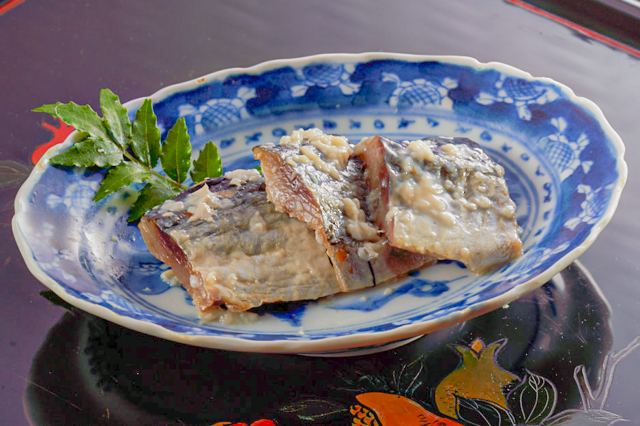
| Prefecture | Niigata (新潟県) |
|---|---|
| Region | Chubu |
| Japanese name | 身欠きにしんの糀漬け(みがきにしんのこうじづけ) |
| Reading | Migakinishinnokōjizuke |
| Home area | I'm from the subdivision area, center of Sugawara. |
| Main ingredients | It's not just the food. It's the food. |
History and Origins
Of all the items carried by the northerner ship, it was the Hokkaido herring that made up a large position. In the days when the refrigeration technology was not developed, it was processed to dry the insides and the heads, fertilizers, fish oil, and so forth, and was transported to various parts of the northern port. One of the best ways to make her dry is to use herring as a valuable source of protein in the interior and mountainous regions without the ocean. Generally speaking, fish dried food is roasted and eaten, but a hungry herring is prepared after the rice is soaked in melted water and the rice sauce or rice bowl is returned to cook. In Niigata Prefecture, there are many dishes that are old-fashioned and use saws. The sweets of sweet wine and salt are mixed together as well as a product that tastes so delicious. Other foods can be eaten in salted soups, in vinegar, or in mountain bowls.
When It Is Eaten
It was a luxury dish for New Year's Eve. It was delicious when I ate it, and I enjoyed it as a bottle of wine.
How It Is Eaten
Isolation comes back with a soft bath, a soup of rice and a bowl of rice melted in water. If you add salt to cut vegetables and herring and dip them in, you can mix the water that comes out with sweet wine. In many gravy foods, there are enzymes that break down starches and proteins, which make the sweets taste sweet. It's also a decrepit smell that makes the flavor of the herring taste more appealing.
Recipe — Serves 4
Ingredients
- 2 dried herring (乾燥)
- 300 g daikon radish
- 200 g Chinese cabbage
- 100 g carrot
- 200 g(1 packets) amazake
- 3 tbsp salt
Method
- The herring she brought back is often washed to two centimeters long.
- Ota, carrots are cut into Japanese characters and cabbage into white.
- All the vegetables and herring are mixed together, salted, and soaked in stones for a day or two.
- You can cut the water from the soaked ingredient and make it tight, mix the sweet wine, and make a flavor every other night.
Dish data: Ministry of Agriculture, Forestry and Fisheries (MAFF), “Uchi no Kyodo Ryori” (Our Regional Cuisines) database, used under the Public Data License (PDL1.0); translated and adapted from the Japanese original.