Namerō なめろう
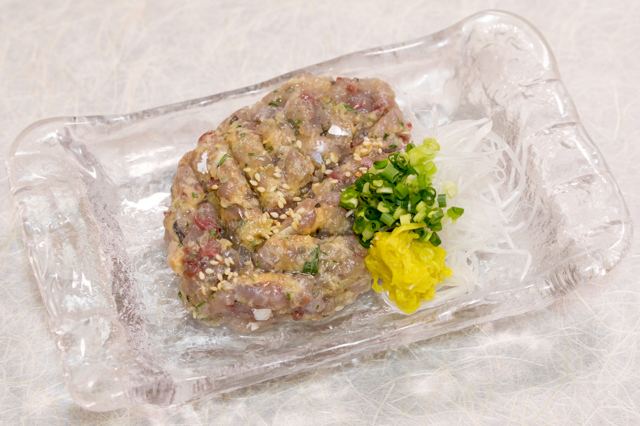
| Prefecture | Chiba (千葉県) |
|---|---|
| Region | Kanto |
| Japanese name | なめろう |
| Home area | Cypriot Peninsula Coast |
| Main ingredients | It's not like I'm going to have to do it. |
History and Origins
The old native dish of the XChiba Prefecture Coast Coastal Coast of the Pacific Ocean facing the dark tide. The Chiba Prefecture fishermen now thought of cooking fresh fresh fish on a unstable ship. It wasn't citrus oil that put it in, but it was a rough ship that would spill it out of it, so I used it. The word "request" comes from the word "request" from the word "request." And because you're stuck in a plate, it also means "you can't eat"
When It Is Eaten
On the fishing boat, we can make the fish we just caught. In the south cell area, Age is won all year round. I'm going to make an Eagle, a Samma, and a Tobi fish depending on the season. As we were cooking at home, the flavor of the steaming pepper added to our food. Now it's made in large areas of homes and liquor stores as well as Chiba Prefecture.
How It Is Eaten
A "knive" is a kind of fish rod. I'd like to mix mainly the azu with the tastey, condiments and pieces of pepper and beat until I can hold on more. Sometimes fish such as Samma, Katu, and squid are replaced by ducks. Since it doesn't save, taste it immediately after cooking before it is fresh.
Recipe — Serves 4
Ingredients
- 4 horse mackerel
- 3–4 tbsp grated ginger
- 1/2 long green onion
- 4 shiso
- 2 tbsp miso
Method
- The azi is dropped into three pieces, then peeled and cut into 1 cm wide.
- I'd like to put other tools on top of the duck, and I'd like to cut a knife until it almost completely eases its shape.
More About Namerō
Namerō (Japanese: なめろう; derived from 舐める nameru, "to lick") is a type of tataki, a manner of preparing fish or meat finely minced and mixed with some spices and seasonings, not unlike a tartare.
This recipe has been passed down among Bōsō Peninsula fishermen.
Variations
Sangayaki
A dish of grilled namerō is called sangayaki (さんが焼き) or simply sanga. Namerō is grilled directly on an iron griddle, stuffed into scallop or abalone shells or wrapped in sarutoriibara or camellia leaves. Like namerō, it is said to have originated in the Bōsō Peninsula, and there are places specializing in sangayaki.
There are three theories about the original kanji spelling and origin story of the name, and the Ministry of Agriculture, Forestry and Fisheries has adopted the first one (山家焼き) shown here:
- 山家焼き spelling: Namerō was grilled or steamed by fishermen in the mountain huts and was eaten, so it was called 'mountain' (山) and 'house' (家) 'fry' (焼き).
- 山河焼き spelling: The spelling of "Sangayaki" derived from using both ingredients from the mountains (山) and rivers (河).
- 三辛焼き spelling: The spelling derived from the use of three (三) spicy (辛) foods: ginger, green onion, and perilla.
Others
- A cold dish made by putting namerō in ice water is called mizunamasu (水なます).
- Namerō placed on top of rice, with green tea is poured over it to make chazuke, is called magocha (孫茶). Magocha is a local dish of the coastal area of the Izu Peninsula, where it is not seared but is served with dashi stock on the sashimi. In addition to horse mackerel, sashimi can be made from tuna, bonito, and alfonsino, depending on the location and restaurant.
- Around Isumi District, Chiba Prefecture, namerō is placed on a slightly deep plate, flattened, sanbaizu (vinegar, soy sauce, and sugar in 1:1:1 proportions) is added, and chilled in a refrigerator. This is aimed at the effect of preserving namerō, which is easily spoiled in the summer and cannot be stored in advance, and stimulating appetite decreased in the summer with acid. Depending on the family, this is eaten with soy sauce or another dipping sauce.
- In Shimanoura, a remote island off the coast of Nobeoka, Miyazaki Prefecture, there is a dish called tatakko (たたっこ), which is similar to namerō, and the grilled dish corresponding to sanga in the Boso Peninsula is also called 'tatakko'.
Text adapted from the English Wikipedia article Namerō by its contributors, licensed CC BY-SA 4.0.
Dish data: Ministry of Agriculture, Forestry and Fisheries (MAFF), “Uchi no Kyodo Ryori” (Our Regional Cuisines) database, used under the Public Data License (PDL1.0); translated and adapted from the Japanese original.