Yuderakkasei ゆで落花生
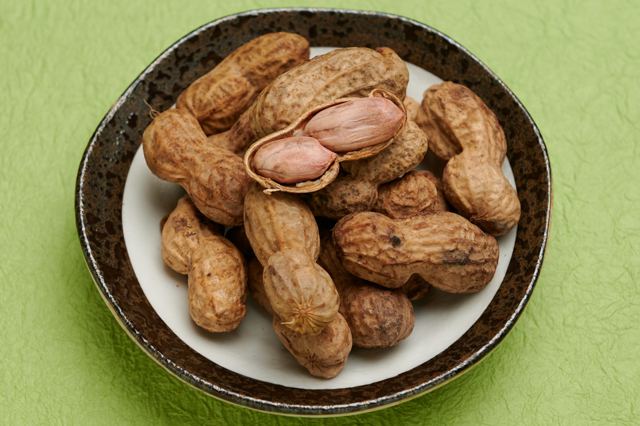
| Prefecture | Chiba (千葉県) |
|---|---|
| Region | Kanto |
| Japanese name | ゆで落花生(ゆでらっかせい) |
| Reading | Yuderakkasei |
| Home area | (Chiba City, Yasaka City, Shirequeura City, etc.) |
| Main ingredients | Hanamoto. |
History and Origins
It was in 1706 that an Anddes-born flower in South America came into Japan through East Asia. The Chiba Prefecture is believed to have begun its prototype in the Kyushu bare region. Although Akira's district (Shogun) encouraged the people of the province to grow and expanded their production centers around the city, the stock of the time was gradually reduced under the influence of drought. After entering Tokyo, desert-sized species from China will come into the fields near Eighth Street and grow well. At present, it's grown in all prefectures around the northernmost base. There are a lot of highly valued, processed and cooked food in the market. A "susame flower" is a season's product (for raw flower plants that can only grow from raw ones that are freshly harvested from the fields, they start to harden quickly from the harvest and the flavors fall off, so that they can't be tasted quickly).
When It Is Eaten
The plants are harvested by the seeds in the late November of September. After that, it is processed and can be eaten recently throughout the year. Sometimes they eat in the ovens, such as sitting on a tea table, putting it back in the oven, or grinding it into a fresh dish.
How It Is Eaten
Since the flower plants cannot be eaten raw, they can be boiled or roasted with a salad. The Soybean Hanamoto makes the pot water and boils it by adding about 3 percent salt to it. When you're boiling, you'd better have more water. Sometimes I take one out of the neighborhood after half an hour to see how hard it is. If you boil it up, put it up to the monkey and cool it down.
Recipe — Serves 4
Ingredients
- 20 peanuts (掘りたて)
- salt, to taste
Method
- Drop the dead flower mud and wash it well.
- Add plenty of water and rose salt to the pot, cook it, and boil it for about half an hour.
Dish data: Ministry of Agriculture, Forestry and Fisheries (MAFF), “Uchi no Kyodo Ryori” (Our Regional Cuisines) database, used under the Public Data License (PDL1.0); translated and adapted from the Japanese original.