Obaku Yama おばく
| Prefecture | Yamanashi (山梨県) |
|---|---|
| Region | Chubu |
| Japanese name | おばく |
| Home area | And I'm going to show you some examples. |
| Main ingredients | And I'm going to show you some of the things that we've learned about the world. |
History and Origins
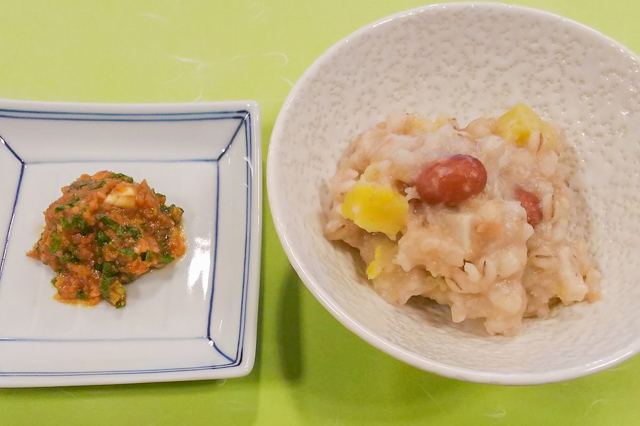
The "gay wheat" is a soft dish with plenty of water, such as rice peeled in water overnight, potatoes, radishes, radishes, radishes, radishes, and so forth, as well as beans such as lentils, gold and salt. If you eat with a bowl of stew, a goma, a sauced sauce, and a cold and steamed water, it's good for your mouth. In the hardy mountain areas, rice was the precious food of a celebration day, so it became the staple food of the day, and we were known for many years. In the past, it was hard work because it was cooked all day long, constantly stirring so that it would not burn with a large bowl. Since the "queen" is not tasted in itself, they are eaten with a tastey sauce or citrus sauce with a mixture of citrus and citrus. I like the sly touch of barley in my head. Generally speaking, when you use barley, you're distinguished from "Fall" if you use flour. It is said to have supported the health of the locals in their strict climate and hard work.
When It Is Eaten
They're eaten as a staple food.
How It Is Eaten
We keep the flour soaked in water for about three hours during the previous day in a rice bowl, while the golden beans are soaked in the water the night before. I'm going to brush the rice and dip it in the water. When it's time for money, I'll put the beans in a pot and boil them at about 3pm. I'll cut the main root into a two-millimeter short book. I'll boil the potatoes, potatoes, and potatoes in a half-inch slice and then boil them when I eat them. When the beans are boiling, add radish, flour, and sometimes mix them in a pot without burning them. When the beans and the main roots are soft, all rice and water are added to the pot. When the rice becomes soft and the pot bottom becomes visible, I will add to it a foster potato, potatoes, and onions. Tastes, cut-and-cut, flower-chin, sugar mixed, pasted, pasted, and eaten.
Recipe
Ingredients
- 500 g [ Credit Line]
- 2 × 180 ml rice
- 200 g potato
- 200 g daikon radish
- 125 g Kintoki beans
- 300 g sweet potato
- 200 g taro
- Miso: miso, to taste
- Miso: 1–2 green onion
- Miso: 5 g×1–2 packets bonito flakes
- Miso: 1 tsp sugar
Method
- I'll cut the bow in slices. Mix the taste buds, onions, flowers, and sugar.
- I'll boil the flour the day before. I'll dip the beans in the previous night.
- I'm going to brush the rice and dip it in the water. (US 2 AND SIXING)
- When it's time for money, I'll put the beans in a pot and boil them at about 3pm. If you don't have enough water from the beginning, add enough
- I'll cut the main root into a short book about two millimeters thick. I'll boil the potatoes, potatoes, and onions in a half-inch cut.
- When the beans are boiling, add four main roots, one round, and sometimes mix them in a bowl so they don't burn.
- When the beans and the main roots are soft, all three rice and water are added to the pot. Always stir from the bottom of the pot to avoid burning.
- When the rice becomes soft and the pot bottom becomes visible, I will add to it a foster potato, potatoes, and onions.
Dish data: Ministry of Agriculture, Forestry and Fisheries (MAFF), “Uchi no Kyodo Ryori” (Our Regional Cuisines) database, used under the Public Data License (PDL1.0); translated and adapted from the Japanese original.