Seige せいげ
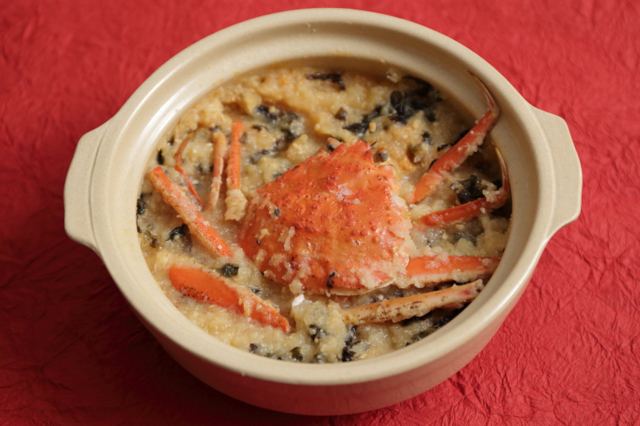
| Prefecture | Fukui (福井県) |
|---|---|
| Region | Chubu |
| Japanese name | せいげ |
| Home area | Ono District |
| Main ingredients | It's like, you know, the sea crab, the root, the taste, the rock. |
History and Origins
"It's a traditional dish of Fukui Prefecture's winter taste, of a female zwiani called the walnut." The traditional regional dishes in the South China River region, which thrives more in fishing than in the Edo, have a recipe for each household. Because he has an egg in his hand, and the part that you can see from the outside is the foreign child, and the inner child is the source of the egg in the shell. "I carry a child on my back" means they call me "I carry a child." The female's fault was that she was once eaten mainly locally without shipments and that it was the taste of a common people who sat at tables every day in the winter. Especially "stuttering" is a local dish, such as a sea creature's foot, which is used to cook the radish with a tastey sauce, cook with rice, and serve with wine. The juice from the shell is good and delicious. It was originally a fishing fish that was eaten by changing shells into bowls on the boat. From Edo to Meiji's mid-18th century, from Hokkaido to ZXXXXXX149X, the merchant ship that used to sail around the Japanese Sea on its western round trip through the Japanese Sea is also called the root of this dish.
When It Is Eaten
The fisheries of the Gongoni are allowed to go on November 6th each year and last until March 20th the following year, but this is a short fishing season for resource protection and December 31st.
How It Is Eaten
The boiled crab breaks its foot and feet into a pot, puts a lot of root in a pot, puts a lot of root in a fire, stirs a bowl and puts a rock on it when it is hot, and stops the fire.
Recipe — Serves 4
Ingredients
- 2 cups sea crab
- 80 g miso
- 500 g daikon radish
- 10 g iwa-nori seaweed
Method
- The radish is left to dry.
- Cooked sea crabs keep their feet and feet broken and keep the shell of the crabs.
- I'll put in some water and boil it.
- When it's done, add a taster and put a rock stick in when it is done.
Dish data: Ministry of Agriculture, Forestry and Fisheries (MAFF), “Uchi no Kyodo Ryori” (Our Regional Cuisines) database, used under the Public Data License (PDL1.0); translated and adapted from the Japanese original.